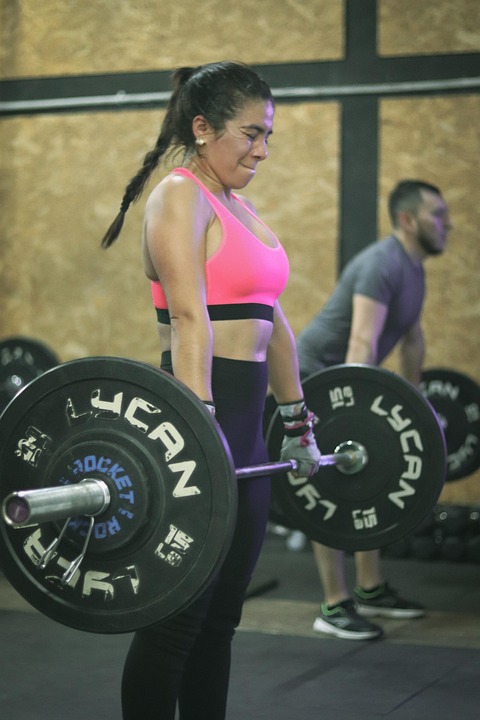
Sweat, Tears, and Gains: The Power of Weightlifting to Overcome Adversity
Weightlifting is often seen as a physical activity, a way to build strength and sculpt the body. But for many, it’s so much more than that. It’s a mental and emotional journey, a way to push past obstacles and overcome adversity. In this article, we’ll explore the power of weightlifting to transform lives and help individuals overcome even the toughest challenges.
The Therapeutic Benefits of Weightlifting
Weightlifting has long been recognized as a therapeutic activity, offering a range of benefits that extend far beyond the physical. The act of lifting weights can be meditative, allowing individuals to focus on the present moment and clear their minds. The sense of accomplishment that comes with completing a challenging workout can also boost self-esteem and confidence, helping to combat anxiety and depression.
But weightlifting’s therapeutic benefits don’t stop there. The physical act of lifting can also help to release endorphins, also known as “feel-good” hormones, which can help to alleviate symptoms of stress and anxiety. This natural high can be a powerful tool in the fight against adversity, providing a much-needed boost of motivation and energy.
Overcoming Adversity through Weightlifting
For many, weightlifting has been a lifeline during times of adversity. Whether facing a personal struggle, a health crisis, or a traumatic event, weightlifting can provide a sense of control and empowerment. By focusing on their physical strength, individuals can begin to rebuild their mental and emotional resilience, developing the tools they need to overcome even the toughest challenges.
Take, for example, the story of [Name], a weightlifter who turned to the sport after a devastating injury left her unable to work or participate in her usual activities. Through weightlifting, she was able to regain her strength and confidence, eventually returning to her job and pursuing her passions with renewed energy and purpose.
The Power of Community
One of the most powerful aspects of weightlifting is the sense of community that comes with it. Weightlifting gyms and online forums are filled with individuals who are passionate about the sport, and who are eager to support and encourage one another. This sense of belonging can be a powerful motivator, helping individuals to stay on track and push past obstacles.
In addition, the weightlifting community is known for its inclusivity and supportiveness. Whether you’re a beginner or an experienced lifter, you’ll find a welcoming and non-judgmental space where you can share your struggles and celebrate your successes. This sense of community can be a powerful tool in the fight against adversity, providing a network of supporters who can offer guidance, encouragement, and motivation.
The Gains of Weightlifting
So, what are the gains of weightlifting, exactly? For many, the physical benefits are obvious: increased strength, improved body composition, and enhanced overall health. But the gains of weightlifting extend far beyond the physical, encompassing mental and emotional benefits that can transform lives.
Through weightlifting, individuals can develop a sense of discipline and self-control, learning to push past their limits and achieve their goals. They can also develop a greater sense of self-awareness, learning to listen to their bodies and honor their needs. And, perhaps most importantly, they can develop a sense of resilience, learning to bounce back from setbacks and overcome even the toughest challenges.
Conclusion
Weightlifting is more than just a physical activity – it’s a journey of self-discovery and transformation. Through the sweat, tears, and gains of weightlifting, individuals can develop the strength and resilience they need to overcome adversity and achieve their goals. Whether you’re facing a personal struggle or simply looking for a new challenge, weightlifting can be a powerful tool in your journey towards a stronger, healthier, and more fulfilling life. So why not give it a try? The gains are waiting.