The Healthy Fat Pyramid: A Guide to Making the Right Choices
For decades, the traditional food pyramid has been the gold standard for healthy eating. However, with the rise of low-carb diets and the increasing awareness of the importance of healthy fats, it’s time to rethink the way we approach nutrition. Enter the Healthy Fat Pyramid, a revised guide that prioritizes the consumption of healthy fats, lean proteins, and whole foods. In this article, we’ll explore the benefits of the Healthy Fat Pyramid and provide a comprehensive guide to making the right choices for a balanced and nutritious diet.
What is the Healthy Fat Pyramid?
The Healthy Fat Pyramid is a nutritional model that emphasizes the importance of healthy fats, such as monounsaturated and polyunsaturated fats, in our diet. These fats are found in foods like avocados, nuts, seeds, and fatty fish, and are essential for maintaining healthy cholesterol levels, supporting brain function, and promoting satiety. The pyramid is divided into five tiers, with the largest tier at the base representing the foods that should be consumed most frequently.
The Tiers of the Healthy Fat Pyramid
- Tier 1: Healthy Fats (40-50% of daily calories)
- Avocados
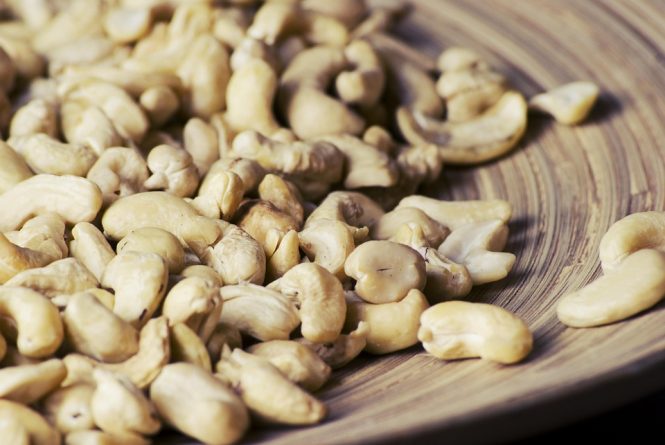
- Nuts and seeds (almonds, walnuts, chia seeds, flaxseeds)
- Fatty fish (salmon, sardines, mackerel)
- Olive oil
- Tier 2: Lean Proteins (20-30% of daily calories)
- Poultry (chicken, turkey)
- Fish (cod, tilapia)
- Legumes (lentils, chickpeas, black beans)
- Low-fat dairy (milk, yogurt, cheese)
- Tier 3: Whole Grains (15-20% of daily calories)
- Brown rice
- Quinoa
- Whole wheat bread
- Whole grain pasta
- Tier 4: Vegetables (10-15% of daily calories)
- Leafy greens (spinach, kale, broccoli)
- Cruciferous vegetables (cauliflower, bell peppers)
- Root vegetables (carrots, sweet potatoes)
- Tier 5: Sweets and Treats (5-10% of daily calories)
- Fresh fruit
- Dark chocolate
- Baked goods (in moderation)
Benefits of the Healthy Fat Pyramid
- Improved Heart Health: The Healthy Fat Pyramid emphasizes the consumption of healthy fats, which can help lower LDL (bad) cholesterol and increase HDL (good) cholesterol.
- Weight Management: The pyramid’s focus on whole foods and healthy fats can help promote satiety and support weight loss.
- Increased Energy: The combination of healthy fats, lean proteins, and whole grains provides sustained energy and supports mental clarity.
- Reduced Inflammation: The anti-inflammatory properties of healthy fats and omega-3 fatty acids can help reduce inflammation and promote overall health.
Tips for Implementing the Healthy Fat Pyramid
- Start with small changes: Begin by incorporating one or two healthy fats into your diet each week.
- Read labels: Be mindful of added sugars, saturated fats, and sodium in packaged foods.
- Cook at home: Preparing meals at home allows you to control the ingredients and portion sizes.
- Consult a healthcare professional: If you have specific dietary needs or restrictions, consult with a registered dietitian or healthcare provider to create a personalized plan.
Conclusion
The Healthy Fat Pyramid offers a comprehensive guide to making informed food choices and promoting overall health and well-being. By prioritizing healthy fats, lean proteins, and whole foods, individuals can reduce their risk of chronic diseases, support weight management, and increase energy levels. Remember, a balanced diet is just one aspect of a healthy lifestyle – regular exercise, stress management, and adequate sleep are also essential for optimal health. By following the Healthy Fat Pyramid and making sustainable lifestyle changes, you can take the first step towards a healthier, happier you.