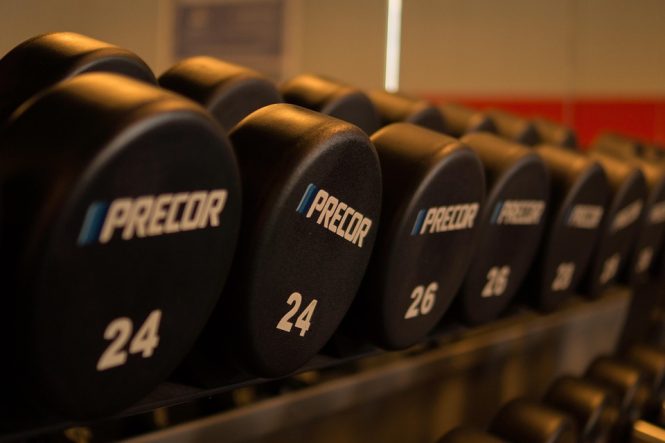
Rehabbing a Weightlifting Injury: Tips for a Safe and Successful Return to Training
As a weightlifter, there’s nothing more frustrating than suffering an injury that forces you to take time off from the sport you love. However, with a well-structured rehabilitation plan and a commitment to patience and dedication, you can make a safe and successful return to training. In this article, we’ll provide you with tips and guidance on how to rehab a weightlifting injury and get back to lifting weights in no time.
Understanding the Injury
Before starting the rehabilitation process, it’s essential to understand the nature and severity of your injury. Consult with a medical professional, such as an orthopedic doctor or a sports medicine physician, to get a proper diagnosis and treatment plan. They will help you identify the cause of the injury, the affected tissues, and the best course of treatment.
Phase 1: Acute Injury Management (0-2 weeks)
The initial phase of rehabilitation focuses on reducing pain, inflammation, and promoting tissue repair. During this phase:
- Rest and ice: Avoid any activities that aggravate the injury and apply ice to reduce inflammation.
- Compression and elevation: Use compression bandages or wraps to reduce swelling and elevate the affected area to promote blood flow.
- Pain management: Follow your doctor’s advice on pain management, which may include medication, physical therapy, or other interventions.
- Range of motion exercises: Perform gentle range of motion exercises to maintain flexibility and prevent stiffness.
Phase 2: Subacute Injury Management (2-6 weeks)
As the acute phase subsides, you can progress to more active rehabilitation strategies:
- Strengthening exercises: Gradually introduce strengthening exercises to improve muscle function and stability.
- Proprioception and balance training: Incorporate exercises that challenge your balance and proprioception (awareness of body position and movement).
- Progressive loading: Gradually increase the intensity and volume of your training to promote tissue adaptation.
- Plyometrics and agility drills: Incorporate plyometric exercises (jumping, bounding, etc.) and agility drills to improve power and speed.
Phase 3: Advanced Rehabilitation (6-12 weeks)
In this phase, you’ll focus on advanced strengthening, power, and conditioning exercises:
- Weightlifting-specific exercises: Progress to weightlifting-specific exercises, such as squats, deadlifts, and bench press, with modified loads and volumes.
- Power and speed training: Incorporate explosive exercises, such as box jumps and medicine ball throws, to improve power and speed.
- Conditioning and endurance: Gradually increase the duration and intensity of your workouts to improve cardiovascular endurance.
- Injury prevention strategies: Incorporate exercises and strategies to prevent future injuries, such as core strengthening and flexibility exercises.
Tips for a Safe and Successful Return to Training
- Listen to your body: If you experience pain or discomfort, stop and rest. It’s better to err on the side of caution than to risk further injury.
- Gradually progress: Avoid sudden changes in training intensity or volume, as this can lead to further injury or setbacks.
- Focus on technique: Prioritize proper lifting technique and form over heavy weights or high volumes.
- Seek professional guidance: Work with a qualified coach, trainer, or physical therapist to ensure you’re following a safe and effective rehabilitation plan.
- Be patient: Rehabilitation takes time, so be patient and don’t rush the process.
Conclusion
Rehabbing a weightlifting injury requires patience, dedication, and a well-structured plan. By following the phases of rehabilitation outlined in this article and incorporating the tips for a safe and successful return to training, you can make a full recovery and get back to lifting weights in no time. Remember to listen to your body, focus on technique, and seek professional guidance to ensure a safe and successful return to training.