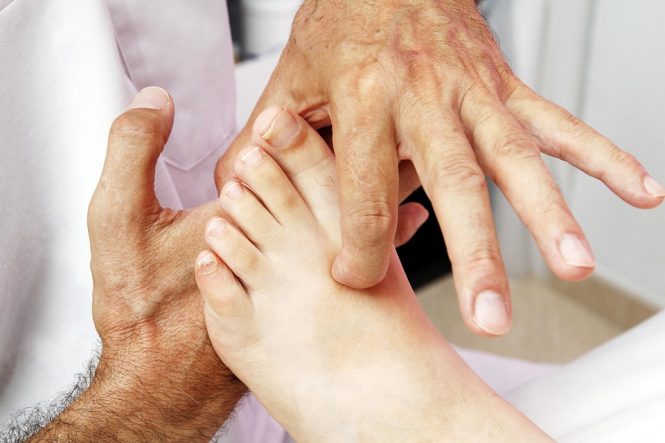
Step into Relaxation: The Benefits of Reflexology for Stress Relief
In today’s fast-paced world, stress has become an unwelcome companion for many of us. With the constant demands of work, family, and social obligations, it’s easy to feel overwhelmed and anxious. However, there is a simple yet effective way to manage stress and promote relaxation: reflexology. This ancient practice has been used for centuries to balance the body’s energy and calm the mind. In this article, we’ll explore the benefits of reflexology for stress relief and how it can help you step into a state of deep relaxation.
What is Reflexology?
Reflexology is a holistic therapy that involves applying gentle pressure to specific points on the feet, hands, or ears. These points, known as reflexes, correspond to different organs and systems in the body. By stimulating these reflexes, reflexology aims to restore balance to the body’s energy, promoting relaxation, reducing pain, and improving overall well-being.
How Does Reflexology Work?
Reflexology is based on the principle that the feet, hands, and ears are connected to the body’s energy pathways, or meridians. By applying pressure to specific reflexes, reflexology practitioners can stimulate the flow of energy, or qi, to areas of the body that are blocked or imbalanced. This can help to:
- Reduce stress and anxiety by calming the nervous system
- Improve circulation and reduce inflammation
- Boost the immune system
- Enhance mood and reduce symptoms of depression
The Benefits of Reflexology for Stress Relief
Reflexology is a powerful tool for managing stress and promoting relaxation. Here are some of the benefits you can expect from regular reflexology sessions:
- Reduced anxiety and stress: Reflexology can help calm the nervous system, reducing feelings of anxiety and stress.
- Improved sleep: By promoting relaxation and reducing stress, reflexology can help improve sleep quality and duration.
- Pain relief: Reflexology can help reduce pain and inflammation by stimulating the release of endorphins, the body’s natural painkillers.
- Boosted mood: Reflexology can help reduce symptoms of depression and anxiety by releasing endorphins and promoting a sense of well-being.
- Increased energy: By improving circulation and reducing stress, reflexology can help increase energy levels and reduce fatigue.
How to Get Started with Reflexology
If you’re interested in trying reflexology for stress relief, here are some steps to get you started:
- Find a qualified practitioner: Look for a licensed reflexology practitioner in your area who has experience in stress relief and relaxation techniques.
- Schedule a session: Book a session with your practitioner and discuss your specific needs and goals.
- Prepare for your session: Wear comfortable clothing and arrive early to fill out any necessary paperwork.
- Relax and enjoy: During the session, relax and let the practitioner work their magic. You may feel a sense of calm and relaxation wash over you as the reflexes are stimulated.
Conclusion
Reflexology is a simple yet powerful tool for managing stress and promoting relaxation. By stimulating the body’s energy pathways and restoring balance to the body, reflexology can help reduce anxiety and stress, improve sleep, and boost mood. Whether you’re looking to manage chronic stress or simply want to relax and unwind, reflexology is a great way to step into a state of deep relaxation and well-being. So why not give it a try? Your body and mind will thank you.