Zapping Zits: The Pros and Cons of Laser Acne Treatment
Acne is a common skin condition that affects millions of people worldwide, causing frustration, low self-esteem, and scarring. While there are various treatments available, laser acne treatment has gained popularity in recent years due to its effectiveness in reducing acne and preventing future breakouts. In this article, we’ll delve into the pros and cons of laser acne treatment, helping you decide if it’s the right solution for your acne woes.
What is Laser Acne Treatment?
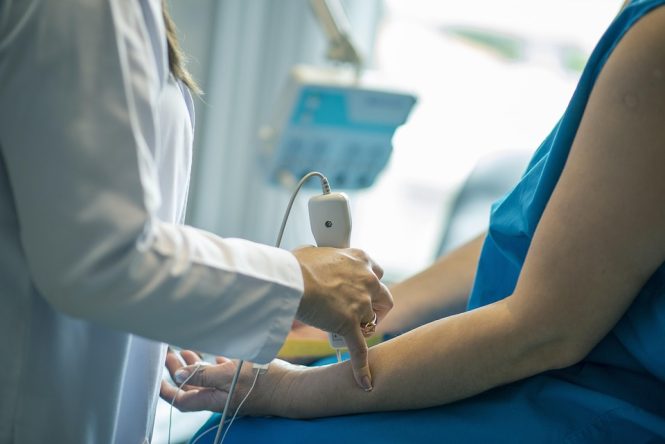
Laser acne treatment uses high-intensity light to target and destroy the bacteria that cause acne, reduce inflammation, and promote collagen production. The treatment involves the use of a laser or light-based device that emits a specific wavelength of light, which is absorbed by the skin, targeting the sebaceous glands, hair follicles, and bacteria that contribute to acne.
Pros of Laser Acne Treatment
- Effective in reducing acne: Laser treatment has been shown to significantly reduce acne lesions, including blackheads, whiteheads, and cysts.
- Fast results: Improvement can be seen after just one treatment, with optimal results achieved after a series of sessions.
- Long-term benefits: Laser treatment can help prevent future breakouts by reducing the production of sebum and killing bacteria that cause acne.
- Minimally invasive: Laser treatment is a non-invasive procedure, requiring no downtime or recovery period.
- Customizable: Laser treatment can be tailored to individual skin types and concerns, making it an effective solution for various acne types, including mild, moderate, and severe acne.
Cons of Laser Acne Treatment
- Cost: Laser acne treatment can be expensive, especially if multiple sessions are required.
- Pain and discomfort: Some patients may experience mild pain, redness, or swelling during or after treatment.
- Skin sensitivity: Laser treatment can cause skin sensitivity, including dryness, itching, or irritation.
- Risk of side effects: As with any medical treatment, there is a risk of side effects, such as burns, blisters, or changes in skin pigmentation.
- Not a cure-all: Laser treatment may not completely eliminate acne, and maintenance treatments may be necessary to maintain results.
Types of Laser Acne Treatments
Several types of laser acne treatments are available, including:
- Blue light therapy: Targets the bacteria that cause acne, reducing inflammation and preventing future breakouts.
- Red light therapy: Stimulates collagen production, reducing the appearance of acne scars and fine lines.
- Pulsed dye laser: Targets the blood vessels that feed acne lesions, reducing inflammation and promoting healing.
- IPL (Intense Pulsed Light): A broad-spectrum light source that targets various skin concerns, including acne, rosacea, and hyperpigmentation.
Who is a Good Candidate for Laser Acne Treatment?
Laser acne treatment is suitable for individuals with:
- Mild to moderate acne: Those with blackheads, whiteheads, and mild to moderate inflammatory acne.
- Resistant acne: Those who have tried other treatments without success.
- Acne scarring: Those with acne scars, fine lines, and wrinkles.
- Sensitive skin: Those with sensitive skin who may not tolerate traditional acne treatments.
Conclusion
Laser acne treatment is a promising solution for individuals struggling with acne. While it offers several benefits, including effectiveness, fast results, and long-term benefits, it’s essential to consider the potential drawbacks, such as cost, pain, and skin sensitivity. By understanding the pros and cons of laser acne treatment and consulting with a dermatologist or skincare professional, you can determine if this treatment is right for you. Remember, laser acne treatment is just one part of a comprehensive skincare routine, and maintaining healthy skin habits, such as proper hygiene, sunscreen use, and a balanced diet, is essential for achieving optimal results.