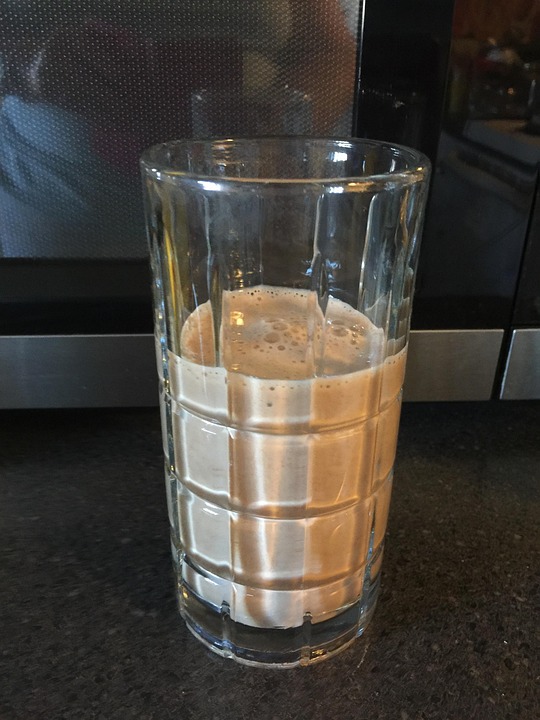
Protein Powder for Seniors: Can it Help with Aging and Health?
As we age, our bodies undergo a range of changes that can affect our overall health and well-being. One of the most significant changes is the loss of muscle mass and strength, a condition known as sarcopenia. This can lead to a range of problems, including decreased mobility, increased risk of falls, and a higher risk of chronic diseases such as diabetes and heart disease. One potential solution to this problem is protein powder, a popular dietary supplement that has been shown to have a range of benefits for seniors. In this article, we’ll explore the benefits of protein powder for seniors and how it can help with aging and health.
What is Protein Powder?
Protein powder is a dietary supplement made from protein-rich foods such as milk, eggs, and plants. It is often used by athletes and bodybuilders to support muscle growth and recovery, but it can also be beneficial for seniors who are looking to maintain or improve their muscle mass and overall health. Protein powder comes in a range of forms, including whey, casein, and plant-based options such as pea and rice protein.
Benefits of Protein Powder for Seniors
Protein powder can have a range of benefits for seniors, including:
- Muscle Maintenance: Protein is essential for building and maintaining muscle mass, which can help to prevent sarcopenia and reduce the risk of falls and other age-related health problems.
- Weight Management: Protein powder can help seniors to maintain a healthy weight, which can reduce the risk of chronic diseases such as diabetes and heart disease.
- Bone Health: Protein can help to support bone health, which can reduce the risk of osteoporosis and fractures.
- Improved Immune Function: Protein is essential for immune function, and protein powder can help to support the immune system and reduce the risk of illness and infection.
- Increased Energy: Protein powder can help to increase energy levels, which can improve overall quality of life and reduce the risk of fatigue and depression.
How Much Protein Do Seniors Need?
The amount of protein that seniors need can vary depending on a range of factors, including age, sex, and overall health. Generally, the recommended daily intake of protein for seniors is:
- 0.8 grams of protein per kilogram of body weight per day for sedentary seniors
- 1.2-1.6 grams of protein per kilogram of body weight per day for active seniors
For example, a sedentary senior who weighs 70 kilograms (154 pounds) would need around 56 grams of protein per day, while an active senior of the same weight would need around 84-112 grams of protein per day.
Choosing the Right Protein Powder for Seniors
When choosing a protein powder, seniors should consider the following factors:
- Type of Protein: Whey protein is often considered the best type of protein for seniors, as it is high in essential amino acids and is easily absorbed by the body.
- Additives and Fillers: Look for a protein powder that is low in additives and fillers, and choose a product that is made from high-quality protein sources.
- Taste and Texture: Choose a protein powder that is easy to mix and has a pleasant taste, as this can make it easier to incorporate into your daily routine.
- Price: Protein powder can vary in price, but look for a product that is affordable and offers good value for money.
Conclusion
Protein powder can be a valuable addition to a senior’s diet, providing a range of benefits that can help to support overall health and well-being. By choosing a high-quality protein powder and incorporating it into your daily routine, seniors can help to maintain muscle mass, support bone health, and reduce the risk of chronic diseases. As with any dietary supplement, it’s always a good idea to consult with a healthcare professional before starting to use protein powder, especially if you have any underlying health conditions or are taking medications. With the right protein powder and a healthy lifestyle, seniors can stay healthy, active, and independent for longer.