The Power of Protein: How This Essential Nutrient Can Transform Your Body
When it comes to nutrition, there’s no denying the importance of protein. This essential nutrient plays a vital role in building and repairing tissues, producing enzymes and hormones, and regulating a range of bodily functions. From athletes to individuals looking to improve their overall health, protein is a crucial component of a balanced diet. In this article, we’ll explore the power of protein and how it can transform your body.
What is Protein?
Protein is a macronutrient made up of amino acids, which are the building blocks of all living tissues. There are 20 different amino acids that the human body uses to build and repair tissues, and protein is the only source of these essential nutrients. Protein is found in a variety of foods, including meats, poultry, fish, eggs, dairy products, legumes, and whole grains.
The Benefits of Protein
Protein has a range of benefits for the body, including:
- Building and Repairing Muscles: Protein is essential for building and repairing muscle tissue, making it a crucial nutrient for athletes and individuals who engage in regular physical activity.
- Weight Management: Protein takes more energy to digest than carbohydrates or fat, which can help boost metabolism and support weight loss.
- Bone Health: Protein is important for maintaining strong bones, particularly in older adults.
- Hair, Skin, and Nail Health: Protein is essential for the growth and maintenance of healthy hair, skin, and nails.
- Hormone Regulation: Protein is necessary for the production of hormones, such as insulin and growth hormone, which regulate a range of bodily functions.
How Much Protein Do I Need?
The amount of protein you need depends on your age, sex, weight, and activity level. Generally, the recommended daily intake of protein is:
- 0.8 grams per kilogram of body weight for sedentary adults
- 1.2-1.6 grams per kilogram of body weight for active adults
- 1.6-2.2 grams per kilogram of body weight for athletes or individuals who engage in regular high-intensity exercise
The Best Sources of Protein
While protein can be found in a variety of foods, some of the best sources include:
- Lean Meats: Chicken, turkey, and lean beef are all high in protein and low in fat.
- Fish: Fatty fish like salmon and tuna are not only high in protein but also rich in omega-3 fatty acids.
- Eggs: Eggs are an excellent source of protein and can be easily incorporated into a variety of meals.
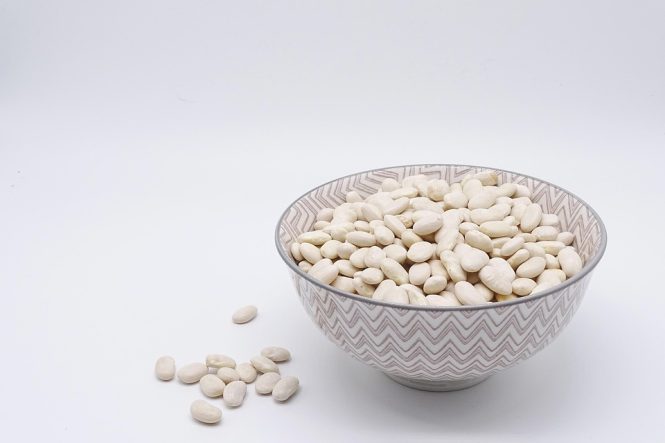
- Legumes: Legumes, such as beans, lentils, and chickpeas, are high in protein and fiber.
- Dairy Products: Milk, Greek yogurt, and cottage cheese are all high in protein and can be easily incorporated into a healthy diet.
The Power of Protein for Athletes
For athletes, protein is particularly important for building and repairing muscle tissue. When you engage in regular physical activity, your muscles undergo micro-tears, which can lead to muscle soreness and fatigue. Consuming adequate amounts of protein can help to:
- Reduce Muscle Soreness: Protein can help to reduce muscle soreness and improve recovery time.
- Build Muscle Mass: Protein is essential for building and repairing muscle tissue, making it a crucial nutrient for athletes looking to increase muscle mass.
- Improve Performance: Protein can help to improve athletic performance by providing the energy and nutrients needed for optimal performance.
The Power of Protein for Weight Loss
For individuals looking to lose weight, protein can be a powerful tool. Protein takes more energy to digest than carbohydrates or fat, which can help to boost metabolism and support weight loss. Additionally, protein can help to:
- Reduce Hunger: Protein can help to reduce hunger and increase feelings of fullness, making it easier to stick to a weight loss diet.
- Preserve Muscle Mass: Protein is essential for preserving muscle mass, which can help to maintain metabolism and support weight loss.
- Improve Body Composition: Protein can help to improve body composition by increasing muscle mass and reducing body fat.
Conclusion
In conclusion, protein is a powerful nutrient that plays a vital role in building and repairing tissues, producing enzymes and hormones, and regulating a range of bodily functions. Whether you’re an athlete looking to improve performance or an individual looking to improve overall health, protein is an essential component of a balanced diet. By incorporating adequate amounts of protein into your diet, you can transform your body and achieve your health and fitness goals.