Say Goodbye to Balding: Innovative Solutions for Hair Loss
Hair loss, also known as balding, is a common problem that affects millions of people worldwide. It can be caused by a variety of factors, including genetics, hormonal imbalances, stress, and certain medical conditions. For years, people have been searching for effective solutions to combat hair loss, and now, thanks to advancements in technology and medicine, there are innovative solutions available to help restore a full and healthy head of hair.
Understanding Hair Loss
Before we dive into the solutions, it’s essential to understand the causes of hair loss. Hair loss can be classified into two main categories: androgenetic alopecia (male/female pattern baldness) and alopecia areata (patchy hair loss). Androgenetic alopecia is the most common form of hair loss, accounting for 95% of all cases. It is caused by the conversion of testosterone into dihydrotestosterone (DHT), which shrinks hair follicles, leading to thinner and shorter hair.
Innovative Solutions for Hair Loss
Fortunately, there are now several innovative solutions available to combat hair loss. Some of the most effective solutions include:
- Low-Level Laser Therapy (LLLT): LLLT uses a low-level laser or light-emitting device to stimulate hair growth. It works by increasing blood flow to the scalp, promoting the growth of new hair follicles, and strengthening existing ones.
- Platelet-Rich Plasma (PRP) Therapy: PRP therapy involves injecting platelet-rich plasma (PRP) into the scalp. PRP is derived from the patient’s own blood and contains growth factors that stimulate hair growth.
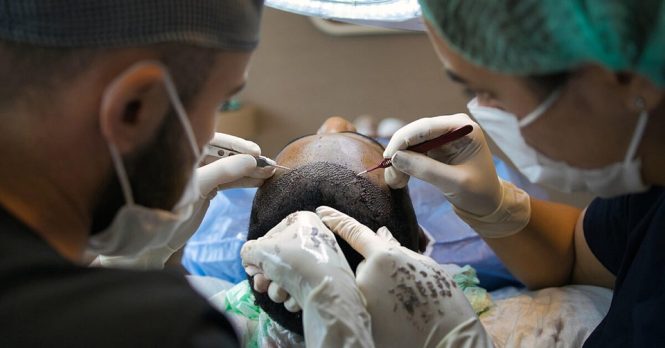
- Hair Transplantation: Hair transplantation involves transplanting healthy hair follicles from the back and sides of the head to the balding areas. This procedure has become more advanced with the introduction of robotic hair restoration systems.
- Stem Cell Therapy: Stem cell therapy involves using stem cells to stimulate hair growth. Stem cells are injected into the scalp, where they promote the growth of new hair follicles.
- Medications: Medications such as minoxidil (Rogaine) and finasteride (Propecia) are commonly used to treat hair loss. These medications work by slowing down hair loss and promoting hair growth.
- Hair Systems: Hair systems, such as wigs and hairpieces, are a non-surgical solution for hair loss. They can be custom-made to match the patient’s natural hair color and style.
Advances in Hair Restoration Technology
In recent years, there have been significant advances in hair restoration technology. Some of the latest developments include:
- Robotic Hair Restoration: Robotic hair restoration systems use artificial intelligence and robotic technology to assist surgeons during hair transplantation procedures.
- 3D Printing: 3D printing technology is being used to create custom-made hairpieces and wigs that are tailored to the individual’s head shape and hair type.
- Stem Cell Research: Researchers are working on developing new stem cell therapies that can stimulate hair growth and promote the development of new hair follicles.
Conclusion
Hair loss is a common problem that affects millions of people worldwide. However, with the advancements in technology and medicine, there are now innovative solutions available to combat hair loss. From low-level laser therapy to hair transplantation, there are a range of options available to suit different needs and budgets. Whether you’re experiencing mild or severe hair loss, it’s essential to consult with a healthcare professional to determine the best course of treatment. With the right treatment, it’s possible to say goodbye to balding and hello to a full and healthy head of hair.