Eat to Heal: The Role of Protein in Maintaining Gut Health
The gut, often referred to as the “second brain,” plays a vital role in our overall health and wellbeing. A healthy gut microbiome is essential for proper digestion, immune function, and even mental health. One of the key nutrients that supports gut health is protein. In this article, we will explore the role of protein in maintaining gut health and how incorporating protein-rich foods into your diet can help promote a balanced gut microbiome.
The Importance of Gut Health
The gut microbiome is a complex ecosystem of trillions of microorganisms that live in the digestive tract. These microorganisms, including bacteria, viruses, and fungi, work together to break down food, absorb nutrients, and regulate the immune system. An imbalance of the gut microbiome, also known as dysbiosis, has been linked to a range of health conditions, including irritable bowel syndrome (IBS), inflammatory bowel disease (IBD), and even mental health disorders such as anxiety and depression.
The Role of Protein in Gut Health
Protein is an essential nutrient that plays a critical role in maintaining gut health. Here are some ways in which protein supports gut health:
- Gut Barrier Function: Protein helps to maintain the integrity of the gut lining, preventing toxins and undigested food particles from passing through the gut wall and into the bloodstream.
- Microbiome Balance: Protein provides the building blocks for the growth and maintenance of beneficial gut bacteria, promoting a balanced gut microbiome.
- Inflammation Reduction: Protein has anti-inflammatory properties, which can help to reduce inflammation in the gut and promote healing.
- Mucin Production: Protein is necessary for the production of mucin, a protective layer of mucus that lines the gut and helps to prevent bacterial overgrowth and inflammation.
Protein-Rich Foods for Gut Health
Incorporating protein-rich foods into your diet can help to support gut health. Here are some of the best protein-rich foods for gut health:
- Bone Broth: Rich in collagen, bone broth is an excellent source of protein that can help to heal and seal the gut lining.
- Fatty Fish: Fatty fish such as salmon and sardines are rich in omega-3 fatty acids, which have anti-inflammatory properties and support gut health.
- Eggs: Eggs are an excellent source of protein and contain a range of nutrients, including choline, which supports gut health.
- Legumes: Legumes such as beans, lentils, and peas are rich in protein and fiber, which can help to promote a balanced gut microbiome.
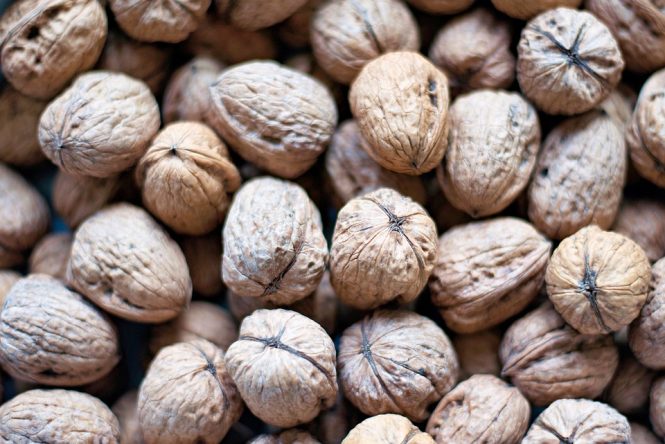
- Nuts and Seeds: Nuts and seeds such as almonds, chia seeds, and flaxseeds are rich in protein and healthy fats, which can help to support gut health.
Tips for Incorporating Protein into Your Diet
Here are some tips for incorporating protein-rich foods into your diet to support gut health:
- Eat a Variety of Protein Sources: Include a range of protein-rich foods in your diet to ensure you are getting all the necessary amino acids.
- Choose Whole Foods: Whole foods such as fruits, vegetables, whole grains, and lean proteins are rich in nutrients and fiber, which can help to support gut health.
- Avoid Processed Foods: Processed foods are often low in nutrients and high in additives, which can disrupt the balance of the gut microbiome.
- Consider Supplements: If you are struggling to get enough protein from whole foods, consider taking a protein supplement such as collagen or whey protein.
Conclusion
Protein plays a critical role in maintaining gut health, and incorporating protein-rich foods into your diet can help to promote a balanced gut microbiome. By eating a variety of whole foods, avoiding processed foods, and considering supplements, you can support gut health and reduce the risk of chronic diseases. Remember, a healthy gut is essential for overall health and wellbeing, so make sure to prioritize protein-rich foods in your diet to support gut health and overall health.