Protein 101: A Beginner’s Guide to Boosting Your Health
Protein is an essential nutrient that plays a crucial role in maintaining overall health and well-being. It is a macronutrient that helps build and repair tissues, produces enzymes and hormones, and supports immune function. Despite its importance, many people are unsure about how to incorporate protein into their diet or how much they need to consume. In this article, we will provide a beginner’s guide to protein, covering the basics of protein, its benefits, and how to boost your health with a balanced protein-rich diet.
What is Protein?
Protein is a complex molecule made up of amino acids, which are the building blocks of the body. There are 20 different amino acids that the human body uses to build and repair tissues, and they are classified into two categories: essential and non-essential. Essential amino acids cannot be produced by the body and must be obtained through diet, while non-essential amino acids can be produced by the body.
Benefits of Protein
Protein has numerous benefits for overall health, including:
- Muscle growth and repair: Protein is essential for building and repairing muscle tissue, making it a crucial nutrient for athletes and individuals who engage in regular physical activity.
- Weight management: Protein takes more energy to digest than carbohydrates or fat, which can help increase metabolism and support weight loss.
- Bone health: Protein helps maintain bone density, reducing the risk of osteoporosis and fractures.
- Immune function: Protein is necessary for the production of antibodies, which help fight off infections and diseases.
- Skin, hair, and nail health: Protein is essential for the growth and maintenance of skin, hair, and nails.
How Much Protein Do I Need?
The amount of protein needed varies depending on age, sex, weight, and activity level. Generally, the recommended daily intake of protein is:
- 0.8 grams per kilogram of body weight for sedentary adults
- 1.2-1.6 grams per kilogram of body weight for active adults
- 1.6-2.2 grams per kilogram of body weight for athletes or individuals who engage in intense physical activity
Food Sources of Protein
There are many food sources of protein, including:
- Animal-based sources: meat, poultry, fish, eggs, dairy products, and seafood
- Plant-based sources: legumes, beans, lentils, tofu, tempeh, nuts, and seeds
- Grains: quinoa, brown rice, and whole wheat
Tips for Boosting Your Protein Intake
- Start your day with protein: Incorporate protein into your breakfast routine with eggs, Greek yogurt, or a protein smoothie.
- Incorporate plant-based protein sources: Add beans, lentils, or tofu to your meals for a protein boost.
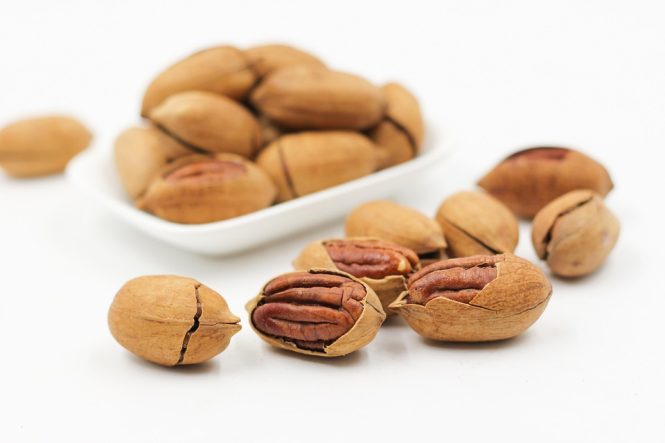
- Snack on nuts and seeds: Almonds, cashews, and pumpkin seeds are all high in protein and make great snacks.
- Try protein powder: If you’re struggling to get enough protein from whole foods, consider adding a protein powder supplement to your diet.
- Eat protein-rich foods at every meal: Aim to include a source of protein at every meal to help meet your daily protein needs.
Conclusion
Protein is a vital nutrient that plays a critical role in maintaining overall health and well-being. By understanding the basics of protein, its benefits, and how to incorporate it into your diet, you can take the first step towards boosting your health. Remember to vary your protein sources, include protein at every meal, and aim to meet your daily protein needs to support optimal health and well-being. Whether you’re an athlete, a busy professional, or simply looking to improve your overall health, protein is an essential nutrient that deserves attention.