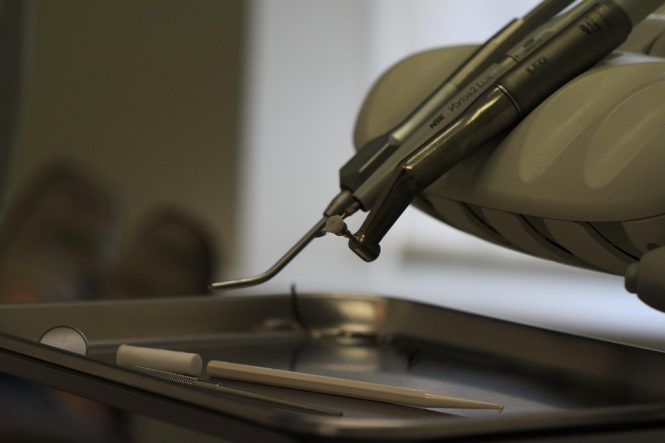
Digital Dentistry: How Computer-Aided Design is Changing the Game
The field of dentistry has undergone significant transformations in recent years, with the integration of digital technology being one of the most significant advancements. Digital dentistry, which involves the use of computer-aided design (CAD) and computer-aided manufacturing (CAM) technologies, is revolutionizing the way dental professionals work, from diagnosis and treatment planning to restoration and fabrication. In this article, we will explore the impact of digital dentistry on the field and how it is changing the game for dental professionals and patients alike.
What is Digital Dentistry?
Digital dentistry refers to the use of digital technologies, such as CAD/CAM systems, 3D printing, and intraoral scanners, to enhance the diagnosis, treatment planning, and execution of dental procedures. This technology allows dental professionals to create accurate digital models of a patient’s teeth and mouth, which can be used to design and manufacture dental restorations, such as crowns, bridges, and dentures.
Benefits of Digital Dentistry
The benefits of digital dentistry are numerous and far-reaching. Some of the most significant advantages include:
- Improved Accuracy: Digital dentistry allows for highly accurate restorations, which reduces the need for remakes and adjustments.
- Increased Efficiency: Digital technology streamlines the dental workflow, reducing the time required for diagnosis, treatment planning, and fabrication.
- Enhanced Patient Experience: Digital dentistry enables patients to see a virtual representation of their treatment plan, which helps to improve communication and increase patient satisfaction.
- Reduced Costs: Digital technology can help reduce costs by minimizing the need for physical models and reducing the amount of material waste.
Applications of Digital Dentistry
Digital dentistry has a wide range of applications in various areas of dentistry, including:
- Restorative Dentistry: Digital dentistry is used to design and manufacture crowns, bridges, and dentures.
- Orthodontics: Digital technology is used to create custom orthodontic appliances, such as aligners and retainers.
- Implantology: Digital dentistry is used to plan and execute implant placement and restoration.
- Oral Surgery: Digital technology is used to plan and execute complex oral surgery procedures, such as bone grafting and tissue engineering.
How Computer-Aided Design is Changing the Game
Computer-aided design (CAD) software is a crucial component of digital dentistry. CAD software allows dental professionals to create highly accurate digital models of a patient’s teeth and mouth, which can be used to design and manufacture dental restorations. Some of the ways CAD is changing the game include:
- Increased Precision: CAD software allows for precise control over the design and manufacture of dental restorations, reducing the need for remakes and adjustments.
- Customization: CAD software enables dental professionals to create custom restorations that are tailored to a patient’s specific needs and preferences.
- Collaboration: CAD software enables dental professionals to collaborate with other specialists, such as orthodontists and oral surgeons, to create comprehensive treatment plans.
The Future of Digital Dentistry
The future of digital dentistry is exciting and rapidly evolving. Some of the emerging trends and technologies that are expected to shape the field include:
- Artificial Intelligence: AI-powered algorithms are being developed to analyze digital data and provide insights that can inform diagnosis and treatment planning.
- 3D Printing: 3D printing technology is being used to create complex dental restorations, such as implants and surgical guides.
- Virtual Reality: Virtual reality technology is being used to enhance patient education and experience, as well as to train dental professionals.
Conclusion
Digital dentistry is revolutionizing the field of dentistry, offering numerous benefits, including improved accuracy, increased efficiency, and enhanced patient experience. Computer-aided design is a crucial component of digital dentistry, enabling dental professionals to create highly accurate digital models of a patient’s teeth and mouth. As the technology continues to evolve, we can expect to see even more innovative applications and advancements in the field. Whether you are a dental professional or a patient, digital dentistry is an exciting development that is changing the game and improving oral healthcare outcomes.