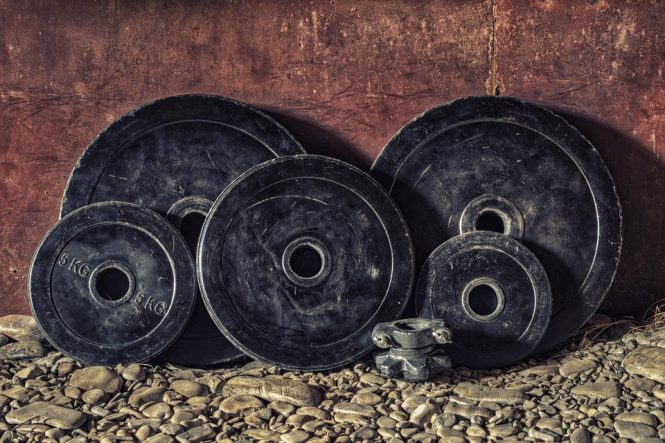
When to Seek Medical Attention: Recognizing the Signs of a Serious Weightlifting Injury
Weightlifting is a popular form of exercise that can be beneficial for building strength and improving overall health. However, like any physical activity, it carries the risk of injury. While minor aches and pains are common, some injuries can be serious and require immediate medical attention. Knowing when to seek medical attention is crucial to prevent further damage, promote proper healing, and avoid long-term complications.
Common Weightlifting Injuries
Weightlifting injuries can occur due to various reasons, including poor form, overexertion, and inadequate warm-up or cool-down routines. Some common injuries include:
- Strains and sprains: Muscle and ligament injuries can occur when lifting heavy weights, sudden movements, or poor technique.
- Tendinitis: Inflammation of the tendons, which connect muscles to bones, can cause pain and stiffness.
- Fractures: Broken bones can occur due to excessive weight or improper form.
- Herniated discs: Lifting heavy weights can put pressure on the spine, leading to herniated discs.
- Concussions: Dropping weights or falling can cause head injuries, including concussions.
Signs of a Serious Weightlifting Injury
While some injuries may seem minor, it’s essential to recognize the signs of a serious weightlifting injury. Seek medical attention immediately if you experience:
- Severe pain: Pain that is intense, sharp, or stabbing, or pain that radiates to other areas of the body.
- Swelling and bruising: Significant swelling, bruising, or redness around the affected area.
- Limited mobility: Difficulty moving the affected joint or limb.
- Numbness or tingling: Numbness, tingling, or weakness in the arms, legs, or hands.
- Difficulty breathing: Shortness of breath, chest pain, or difficulty breathing.
- Dizziness or lightheadedness: Feeling dizzy, lightheaded, or disoriented.
- Headache or confusion: Severe headache, confusion, or difficulty concentrating.
When to Seek Medical Attention
If you experience any of the following, seek medical attention immediately:
- Trauma: If you’ve experienced a significant impact, such as dropping a weight on yourself or falling.
- Severe pain: If pain is severe, persistent, or worsening over time.
- Loss of function: If you’re unable to move a joint or limb.
- Numbness or tingling: If you experience numbness, tingling, or weakness in your arms, legs, or hands.
- Difficulty breathing: If you’re experiencing shortness of breath, chest pain, or difficulty breathing.
Preventing Weightlifting Injuries
While injuries can occur, there are steps you can take to minimize the risk:
- Warm up and cool down: Properly warm up before lifting and cool down afterwards to prevent muscle strains.
- Use proper form: Learn proper lifting techniques and use spotters when necessary.
- Start slow: Gradually increase weight and intensity to avoid overexertion.
- Listen to your body: Rest and recover when needed, and avoid lifting when fatigued.
- Seek professional guidance: Work with a qualified trainer or coach to develop a safe and effective training program.
Conclusion
Weightlifting can be a safe and effective way to improve strength and overall health, but it’s essential to recognize the signs of a serious injury. If you experience severe pain, swelling, limited mobility, or other concerning symptoms, seek medical attention immediately. By taking preventive measures, such as proper form, warm-up and cool-down routines, and listening to your body, you can minimize the risk of injury and enjoy the benefits of weightlifting while staying safe and healthy. Remember, it’s always better to err on the side of caution and seek medical attention if you’re unsure about the severity of an injury.