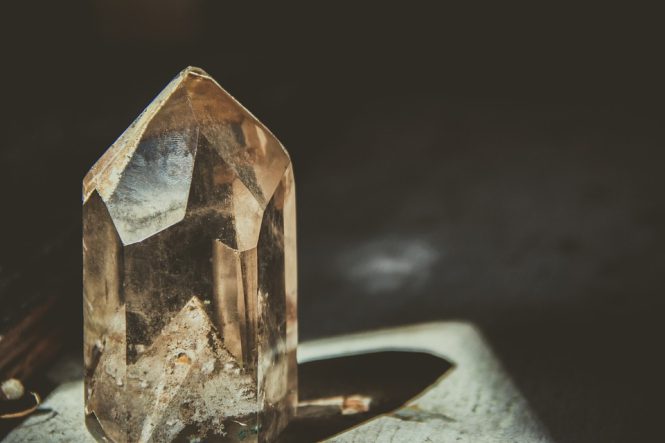
From Ore to Ore-iginal: The Art of Mineral Extraction and Processing
The world of mineral extraction and processing is a complex and fascinating one, where raw materials are transformed into valuable resources that power our modern lives. From the depths of the earth to the finished products that end up in our homes, the journey of minerals is a remarkable one. In this article, we’ll delve into the art of mineral extraction and processing, exploring the techniques, technologies, and innovations that turn ore into ore-iginal products.
The Mining Process
The journey begins with mining, where minerals are extracted from the earth through various methods, including open-pit mining, underground mining, and placer mining. The type of mining method used depends on the type of mineral, its location, and the geology of the area. Once the mineral is extracted, it is transported to a processing plant where the real magic begins.
Crushing and Grinding
The first step in processing is crushing and grinding, where the ore is broken down into smaller pieces to release the minerals. This is done using various types of crushers and grinders, such as jaw crushers, cone crushers, and ball mills. The resulting powder is then mixed with water to create a slurry, which is then subjected to various separation techniques.
Separation Techniques
Separation techniques are used to isolate the desired minerals from the waste rock and other impurities. Some common separation techniques include:
- Flotation: This involves adding chemicals to the slurry to make the minerals stick to air bubbles, which are then skimmed off and collected.
- Magnetic Separation: This uses magnetic fields to separate minerals based on their magnetic properties.
- Gravity Separation: This uses gravity to separate minerals based on their density.
- Electrostatic Separation: This uses electrostatic charges to separate minerals based on their electrical conductivity.
Refining and Purification
Once the minerals are separated, they are refined and purified to produce high-quality products. This involves various techniques, such as:
- Smelting: This involves heating the minerals to high temperatures to extract the metal.
- Electrolysis: This involves using an electric current to extract the metal from the mineral.
- Chemical Processing: This involves using chemicals to extract the metal from the mineral.
Innovations in Mineral Extraction and Processing
The art of mineral extraction and processing is constantly evolving, with new technologies and innovations being developed to improve efficiency, reduce costs, and minimize environmental impact. Some of the latest innovations include:
- Autonomous Mining: This involves using autonomous vehicles and drones to improve safety and efficiency in mining operations.
- Advanced Sensors and Monitoring: This involves using advanced sensors and monitoring systems to optimize mining and processing operations.
- Sustainable Mining Practices: This involves using sustainable mining practices, such as recycling and reusing water, to minimize environmental impact.
Conclusion
The journey from ore to ore-iginal is a complex and fascinating one, involving various techniques, technologies, and innovations. From mining to processing, the art of mineral extraction and processing is a vital part of our modern lives, providing us with the resources we need to power our homes, our industries, and our economies. As the demand for minerals continues to grow, it’s essential that we continue to innovate and improve our extraction and processing techniques to ensure a sustainable future for generations to come.
The Future of Mineral Extraction and Processing
As we look to the future, it’s clear that the art of mineral extraction and processing will continue to evolve, with new technologies and innovations being developed to improve efficiency, reduce costs, and minimize environmental impact. Some of the trends that are expected to shape the future of mineral extraction and processing include:
- Increased Use of Renewable Energy: This involves using renewable energy sources, such as solar and wind power, to power mining and processing operations.
- Greater Emphasis on Sustainability: This involves using sustainable mining practices, such as recycling and reusing water, to minimize environmental impact.
- Increased Use of Automation and Robotics: This involves using autonomous vehicles, drones, and robots to improve safety and efficiency in mining and processing operations.
As we continue to push the boundaries of what is possible in mineral extraction and processing, we can expect to see new and innovative solutions emerge, solutions that will help us to extract and process minerals in a more efficient, sustainable, and responsible way.