Find Your Balance: How Reflexology Can Improve Your Mental and Physical Wellbeing
In today’s fast-paced world, it’s easy to get caught up in the hustle and bustle of daily life and forget to take care of our mental and physical wellbeing. Stress, anxiety, and fatigue can quickly take a toll on our bodies, leaving us feeling drained, irritable, and out of balance. However, there is a holistic approach that can help restore equilibrium and promote overall wellbeing: reflexology.
What is Reflexology?
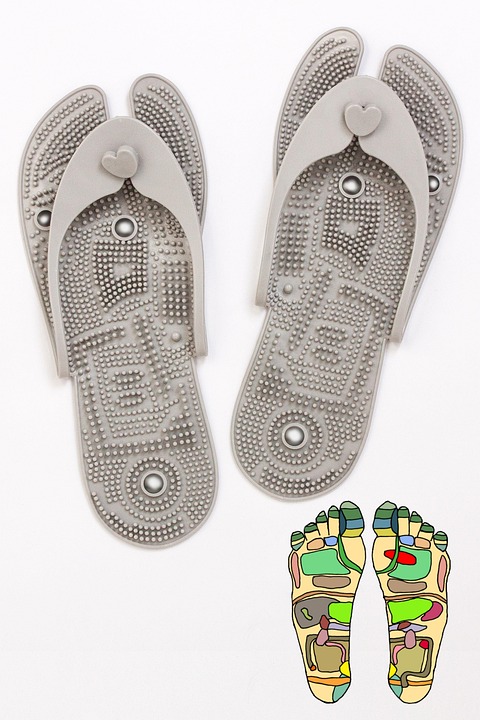
Reflexology is an ancient practice that originated in China over 5,000 years ago. It involves the application of gentle pressure to specific points on the feet, hands, or ears, which correspond to different organs, glands, and systems in the body. By stimulating these reflex points, reflexology aims to restore balance to the body’s energy flow, promoting relaxation, reducing pain and inflammation, and improving overall health.
How Can Reflexology Improve Mental Wellbeing?
Reflexology has been shown to have a positive impact on mental health, reducing symptoms of anxiety, depression, and stress. By stimulating the brain’s relaxation response, reflexology can help:
- Reduce stress and anxiety: Reflexology can calm the mind and body, reducing feelings of overwhelm and promoting a sense of calm.
- Improve mood: By releasing endorphins, reflexology can help alleviate symptoms of depression and improve overall mood.
- Enhance sleep: Reflexology can help regulate sleep patterns, leading to improved rest and relaxation.
- Increase self-awareness: Reflexology can help individuals tune into their body’s needs, promoting self-awareness and self-care.
How Can Reflexology Improve Physical Wellbeing?
Reflexology can also have a significant impact on physical health, reducing pain and inflammation, and improving overall bodily function. By stimulating reflex points, reflexology can help:
- Relieve pain: Reflexology can reduce pain and inflammation in the body, making it an effective treatment for conditions such as arthritis, fibromyalgia, and migraines.
- Improve digestion: Reflexology can help regulate digestive function, reducing symptoms of IBS, constipation, and other digestive disorders.
- Boost immune system: Reflexology can help stimulate the immune system, reducing the risk of illness and infection.
- Increase energy: Reflexology can help improve circulation, reducing fatigue and increasing energy levels.
What to Expect from a Reflexology Session
A typical reflexology session involves lying down or sitting comfortably while a trained therapist applies gentle pressure to specific reflex points on the feet, hands, or ears. The session usually lasts between 30-60 minutes, and may involve:
- Initial consultation: The therapist will discuss your health concerns and goals, tailoring the session to your specific needs.
- Relaxation techniques: The therapist may use relaxation techniques, such as deep breathing or meditation, to help you relax and prepare for the session.
- Reflexology treatment: The therapist will apply gentle pressure to specific reflex points, using various techniques such as thumb walking, finger walking, or hook and back-up.
- Follow-up: After the session, the therapist may provide guidance on self-care techniques, dietary changes, or lifestyle modifications to support your ongoing health and wellbeing.
Conclusion
Reflexology is a holistic approach that can help restore balance to the body’s energy flow, promoting mental and physical wellbeing. By reducing stress and anxiety, relieving pain and inflammation, and improving overall health, reflexology can be a valuable tool for achieving overall wellness. Whether you’re looking to manage stress, improve sleep, or boost energy, reflexology can help you find your balance and live a healthier, happier life.