Adulting and Breaking Out: The Unfair Reality of Acne in Your 20s, 30s, and Beyond
As we navigate the ups and downs of adulthood, many of us assume that acne is a problem left behind in our teenage years. However, the harsh reality is that acne can persist well into our 20s, 30s, and beyond. In fact, adult acne is on the rise, with studies suggesting that up to 50% of women and 25% of men experience acne in their adult years. So, what’s behind this unfair reality, and how can we take control of our skin?
The Causes of Adult Acne
Unlike teenage acne, which is often caused by hormonal fluctuations and clogged pores, adult acne is often the result of a combination of factors. Some of the most common causes of adult acne include:
- Hormonal changes: Fluctuations in estrogen and testosterone levels, particularly during pregnancy, menstruation, or menopause, can lead to increased oil production and clogged pores.
- Stress: High stress levels can cause inflammation, leading to acne breakouts.
- Poor skin care: Inconsistent or inadequate skin care routines can clog pores and lead to acne.
- Medications: Certain medications, such as corticosteroids and testosterone, can cause acne as a side effect.
- Genetics: If your parents had acne, you may be more likely to experience it as an adult.
- Environmental factors: Exposure to pollution, UV radiation, and certain chemicals can contribute to adult acne.
The Different Types of Adult Acne
Adult acne can manifest in various forms, including:
- Papules: Small, pink bumps on the skin
- Pustules: Pus-filled bumps
- Nodules: Large, painful bumps under the skin
- Cysts: Large, painful bumps filled with pus
- Blackheads: Open pores clogged with oil and dead skin cells
- Whiteheads: Closed pores clogged with oil and dead skin cells
The Emotional Toll of Adult Acne
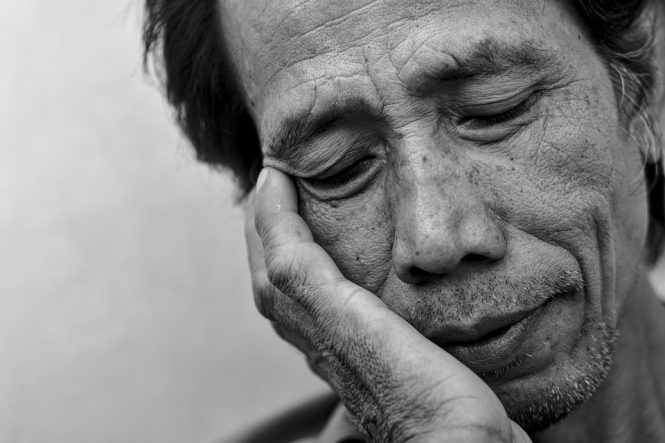
Acne at any age can be frustrating and embarrassing, but adult acne can be particularly devastating. Many adults feel like they should have “outgrown” acne by now, and the constant breakouts can lead to feelings of insecurity, low self-esteem, and anxiety. The pressure to look polished and put-together in our personal and professional lives can make adult acne feel like a major obstacle.
Breaking the Cycle: Treatment Options for Adult Acne
While adult acne can be challenging to treat, there are many effective options available. Some of the most effective treatments include:
- Topical retinoids: Derived from vitamin A, these creams and gels help prevent clogged pores and reduce inflammation.
- Benzoyl peroxide: This antibacterial agent helps kill acne-causing bacteria and reduce inflammation.
- Salicylic acid: A beta hydroxy acid that helps exfoliate the skin and unclog pores.
- Hormonal treatments: For acne caused by hormonal imbalances, medications such as birth control pills or spironolactone may be prescribed.
- Blue light therapy: A non-invasive treatment that uses blue light to kill acne-causing bacteria.
- Chemical peels: A procedure that uses a solution to exfoliate the skin and unclog pores.
Prevention is Key
While treatment options are available, prevention is still the best approach to managing adult acne. Here are some tips to help you keep your skin clear:
- Establish a consistent skin care routine: Wash your face twice a day with a gentle cleanser, and moisturize regularly.
- Use non-comedogenic products: Look for products labeled “non-comedogenic” or “oil-free” to reduce the risk of clogged pores.
- Exfoliate regularly: Use a gentle exfoliant containing alpha-hydroxy acids or beta-hydroxy acids to remove dead skin cells and unclog pores.
- Manage stress: Engage in stress-reducing activities, such as meditation or yoga, to help regulate your hormones and reduce inflammation.
- Get enough sleep: Aim for 7-8 hours of sleep per night to help regulate your hormones and reduce stress.
Conclusion
Adult acne is a common and frustrating condition that can affect anyone, regardless of age. While it may seem unfair, there are many effective treatment options and prevention strategies available. By understanding the causes of adult acne, taking control of our skin care routines, and seeking professional help when needed, we can break the cycle of acne and achieve the clear, healthy skin we deserve. Remember, adulting may be tough, but with the right approach, we can take on acne and come out on top.