The Silent Killer: Why You Should Care About Your Blood Pressure
High blood pressure, also known as hypertension, is a silent killer that affects millions of people worldwide. It is a major risk factor for heart disease, stroke, and kidney disease, and is responsible for thousands of deaths every year. Despite its deadly consequences, many people are unaware of the dangers of high blood pressure and the importance of monitoring and managing it. In this article, we will explore the risks associated with high blood pressure, the causes and symptoms, and what you can do to take control of your blood pressure and reduce your risk of developing related health problems.
What is Blood Pressure?
Blood pressure is the force of blood against the walls of your arteries as it circulates throughout your body. It is measured in millimeters of mercury (mmHg) and is expressed as two numbers: systolic pressure (the top number) and diastolic pressure (the bottom number). Normal blood pressure is typically defined as a systolic pressure of less than 120 mmHg and a diastolic pressure of less than 80 mmHg.
The Risks of High Blood Pressure
High blood pressure is a major risk factor for a range of serious health problems, including:
- Heart Disease: High blood pressure can damage the blood vessels and increase the risk of heart attack, heart failure, and coronary artery disease.
- Stroke: High blood pressure can cause the blood vessels in the brain to burst, leading to a stroke.
- Kidney Disease: High blood pressure can damage the kidneys and increase the risk of kidney failure.
- Vision Loss: High blood pressure can damage the blood vessels in the eyes, leading to vision loss and blindness.
Causes and Symptoms of High Blood Pressure
High blood pressure can be caused by a range of factors, including:
- Genetics: Family history can play a role in the development of high blood pressure.
- Age: Blood pressure tends to increase with age.
- Obesity: Excess weight can increase blood pressure.
- Sodium Intake: Consuming too much sodium can increase blood pressure.
- Lack of Physical Activity: A sedentary lifestyle can contribute to high blood pressure.
- Stress: Chronic stress can increase blood pressure.
The symptoms of high blood pressure are often silent, and many people are unaware that they have the condition until it is too late. However, some common symptoms include:
- Headaches
- Dizziness
- Nosebleeds
- Fatigue
- Shortness of Breath
Taking Control of Your Blood Pressure
The good news is that high blood pressure is a manageable condition, and there are many things you can do to reduce your risk of developing related health problems. Here are some steps you can take:
- Get Regular Check-Ups: Have your blood pressure checked regularly by your doctor.
- Maintain a Healthy Weight: Losing weight if you are overweight or obese can help to lower your blood pressure.
- Exercise Regularly: Engage in regular physical activity, such as walking, to help lower your blood pressure.
- Eat a Balanced Diet: Focus on eating a diet that is low in sodium, rich in fruits and vegetables, and includes lean protein sources.
- Manage Stress: Find healthy ways to manage stress, such as meditation or yoga.
- Limit Sodium Intake: Reduce your sodium intake to less than 2,300 milligrams per day.
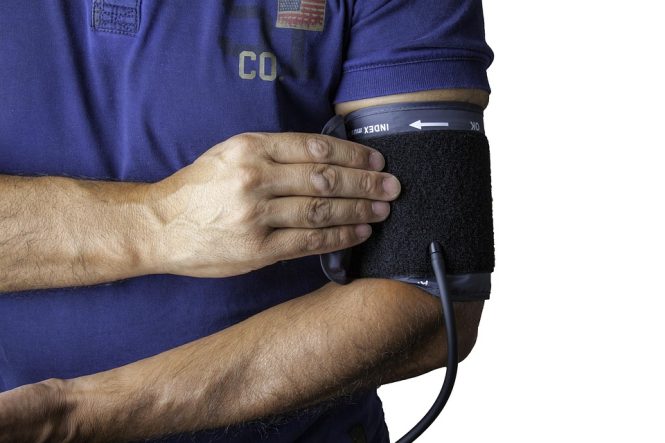
- Monitor Your Blood Pressure at Home: Consider investing in a home blood pressure monitor to track your blood pressure regularly.
Conclusion
High blood pressure is a silent killer that affects millions of people worldwide. It is a major risk factor for heart disease, stroke, and kidney disease, and is responsible for thousands of deaths every year. By understanding the risks associated with high blood pressure, the causes and symptoms, and taking steps to manage and monitor your blood pressure, you can reduce your risk of developing related health problems and live a longer, healthier life. Remember, knowledge is power, and taking control of your blood pressure is a crucial step towards protecting your health and well-being.