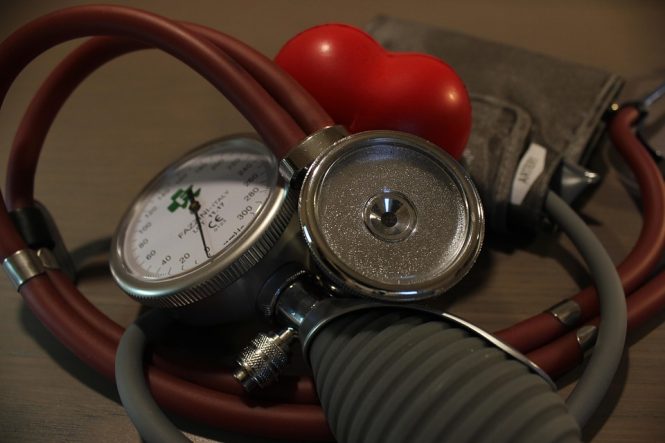
Preventing High Blood Pressure: Start Early for a Healthier Future
High blood pressure, also known as hypertension, is a major health concern that affects millions of people worldwide. It is a leading cause of heart disease, stroke, and kidney disease, and can have a significant impact on a person’s quality of life. While high blood pressure is often associated with older adults, it can affect people of all ages, making it essential to take preventive measures from an early age. In this article, we will discuss the importance of preventing high blood pressure and provide tips on how to start early for a healthier future.
Why Prevention is Key
Preventing high blood pressure is crucial because it can help reduce the risk of developing cardiovascular disease, kidney disease, and other health problems. High blood pressure can cause damage to the blood vessels, heart, and kidneys, leading to serious health complications. By taking preventive measures, individuals can reduce their risk of developing high blood pressure and its associated health problems.
Risk Factors for High Blood Pressure
Certain risk factors can increase a person’s likelihood of developing high blood pressure. These include:
- Family history of high blood pressure
- Age (risk increases with age)
- Obesity
- Physical inactivity
- Smoking
- Excessive alcohol consumption
- High sodium intake
- Stress
Tips for Preventing High Blood Pressure
Preventing high blood pressure requires a combination of healthy lifestyle habits and regular monitoring. Here are some tips to help you get started:
- Maintain a healthy weight: Being overweight or obese can increase blood pressure. Losing weight, if needed, and maintaining a healthy weight through a balanced diet and regular exercise can help prevent high blood pressure.
- Exercise regularly: Regular physical activity can help lower blood pressure and reduce the risk of developing high blood pressure. Aim for at least 30 minutes of moderate-intensity exercise, such as brisk walking, most days of the week.
- Follow a healthy diet: Eating a balanced diet that is low in sodium, saturated fat, and cholesterol can help prevent high blood pressure. Include plenty of fruits, vegetables, whole grains, and lean protein sources in your diet.
- Reduce sodium intake: Consuming too much sodium can increase blood pressure. Aim to limit sodium intake to less than 2,300 milligrams per day.
- Get enough potassium: Potassium can help lower blood pressure by balancing out the effects of sodium. Include potassium-rich foods, such as bananas, leafy greens, and sweet potatoes, in your diet.
- Limit alcohol consumption: Excessive alcohol consumption can increase blood pressure. Limit alcohol intake to no more than one drink per day for women and two drinks per day for men.
- Don’t smoke: Smoking can increase blood pressure and reduce blood flow to the heart. Quitting smoking can help prevent high blood pressure and other health problems.
- Manage stress: Chronic stress can increase blood pressure. Engage in stress-reducing activities, such as meditation, yoga, or deep breathing exercises, to help manage stress.
- Monitor blood pressure regularly: Regular blood pressure monitoring can help identify any changes in blood pressure and allow for prompt treatment if needed.
- Get enough sleep: Getting enough sleep is essential for overall health, including blood pressure regulation. Aim for 7-8 hours of sleep per night.
Starting Early for a Healthier Future
Preventing high blood pressure requires a long-term commitment to healthy lifestyle habits. Starting early, even in childhood or adolescence, can help set the stage for a healthier future. Parents and caregivers can play a significant role in promoting healthy habits in children, such as:
- Encouraging physical activity and outdoor play
- Providing a balanced and nutritious diet
- Limiting screen time and promoting stress-reducing activities
- Modeling healthy habits themselves
By starting early and making healthy lifestyle habits a priority, individuals can reduce their risk of developing high blood pressure and its associated health problems. Remember, preventing high blood pressure is a lifelong process that requires ongoing effort and commitment. By working together, we can create a healthier future for ourselves and our loved ones.
Conclusion
Preventing high blood pressure is crucial for maintaining overall health and reducing the risk of cardiovascular disease, kidney disease, and other health problems. By starting early and making healthy lifestyle habits a priority, individuals can reduce their risk of developing high blood pressure and its associated health problems. Remember to maintain a healthy weight, exercise regularly, follow a healthy diet, reduce sodium intake, and manage stress to help prevent high blood pressure. By working together, we can create a healthier future for ourselves and our loved ones.