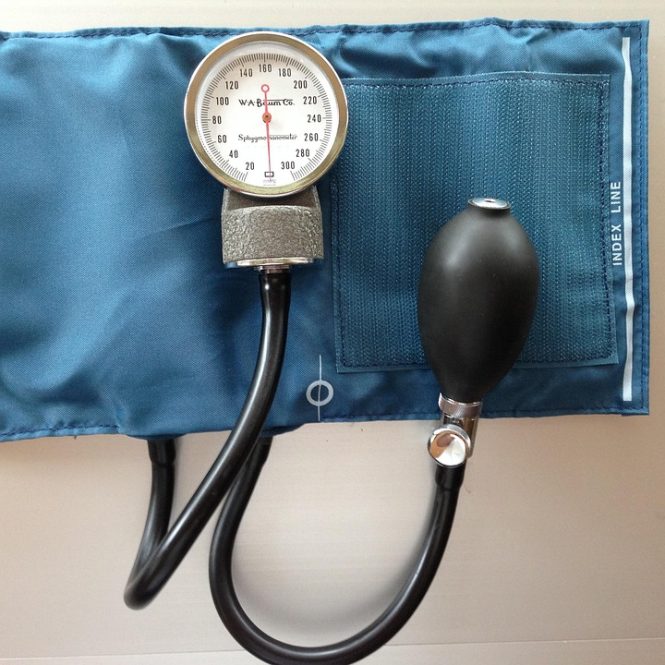
The Importance of Monitoring Your Blood Pressure at Home
High blood pressure, also known as hypertension, is a serious health condition that affects millions of people worldwide. It is a major risk factor for heart disease, stroke, and kidney disease, making it a leading cause of death and disability globally. While regular check-ups with your doctor are essential, monitoring your blood pressure at home is also crucial in managing and controlling hypertension. In this article, we will discuss the importance of monitoring your blood pressure at home and provide tips on how to do it effectively.
Why Monitor Blood Pressure at Home?
Monitoring your blood pressure at home is important for several reasons:
- Accurate Readings: Blood pressure readings taken at home are often more accurate than those taken in a doctor’s office. This is because people may experience “white coat hypertension,” where their blood pressure rises due to anxiety or stress in a medical setting.
- Frequency and Consistency: Monitoring your blood pressure at home allows you to take multiple readings over time, providing a more comprehensive picture of your blood pressure patterns.
- Early Detection: Regular monitoring can help detect any changes or trends in your blood pressure, enabling you to take action early to prevent complications.
- Improved Adherence to Treatment: Monitoring your blood pressure at home can help you stay on track with your treatment plan, ensuring that you take your medications as prescribed and make lifestyle changes to manage your condition.
- Cost-Effective: Home blood pressure monitoring can reduce the need for frequent doctor visits, making it a cost-effective way to manage your condition.
How to Monitor Your Blood Pressure at Home
To monitor your blood pressure at home, you will need a blood pressure monitor, which can be purchased at a pharmacy or online. Here are some tips to ensure accurate readings:
- Choose the Right Monitor: Select a monitor that has been validated by a reputable organization, such as the American Heart Association or the British Hypertension Society.
- Follow the Instructions: Read and follow the manufacturer’s instructions for using the monitor.
- Take Multiple Readings: Take multiple readings at different times of the day, such as in the morning and evening.
- Sit Correctly: Sit comfortably with your back supported, feet flat on the floor, and arm at heart level.
- Avoid Certain Activities: Avoid smoking, exercising, or consuming caffeine or alcohol for at least 30 minutes before taking a reading.
- Keep a Record: Keep a record of your readings, including the date, time, and any factors that may have affected your blood pressure, such as stress or medication changes.
What to Do with Your Readings
Once you have taken your blood pressure readings, it’s essential to:
- Share with Your Doctor: Share your readings with your doctor, who can use them to adjust your treatment plan as needed.
- Identify Patterns: Look for patterns or trends in your readings, such as higher blood pressure in the morning or evening.
- Make Lifestyle Changes: Use your readings to make lifestyle changes, such as increasing physical activity, reducing sodium intake, or managing stress.
- Seek Medical Attention: If you notice any significant changes or concerns, seek medical attention immediately.
Conclusion
Monitoring your blood pressure at home is a crucial step in managing and controlling hypertension. By taking regular readings, you can gain a better understanding of your blood pressure patterns, identify potential issues early, and work with your doctor to develop an effective treatment plan. Remember to choose the right monitor, follow the instructions, and keep a record of your readings to ensure accurate and reliable results. With home blood pressure monitoring, you can take control of your health and reduce your risk of complications from high blood pressure.