Beyond Olive Oil: Exploring the World of Healthy Fats and Oils
For years, olive oil has been touted as the gold standard of healthy fats, and for good reason. Rich in monounsaturated fatty acids and antioxidants, olive oil has been shown to have numerous health benefits, from reducing inflammation to supporting heart health. However, there’s a whole world of healthy fats and oils beyond olive oil that are worth exploring. In this article, we’ll delve into the diverse array of options available, their unique characteristics, and how they can enhance our culinary creations and support our overall well-being.
The Importance of Healthy Fats
Before we dive into the world of oils, it’s essential to understand the importance of healthy fats in our diet. Fats are a vital source of energy, and they play a crucial role in the absorption of vitamins and minerals. Healthy fats also support brain function, hormone production, and the maintenance of healthy skin, hair, and nails. The key is to focus on unsaturated fats, which are found in abundance in plant-based oils, nuts, and seeds.
Beyond Olive Oil: Exploring Other Healthy Oils
While olive oil is an excellent choice, there are many other healthy oils worth considering. Here are a few examples:
- Avocado Oil: Avocado oil is a mild, buttery oil that’s rich in monounsaturated fats. It has a high smoke point, making it ideal for high-heat cooking, and it’s also a great addition to salad dressings and marinades.
- Coconut Oil: Coconut oil is a saturated fat that’s rich in medium-chain triglycerides (MCTs). It’s a great source of energy and has antimicrobial properties, making it a popular choice for cooking, baking, and skin care.
- Ghee: Ghee, or clarified butter, is a rich source of conjugated linoleic acid (CLA), a fatty acid with potential anti-inflammatory properties. It’s also lactose-free, making it a great option for those with dairy intolerance.
- Sesame Oil: Sesame oil is a nutty, flavorful oil that’s rich in polyunsaturated fats and antioxidants. It’s a popular choice for Asian cuisine and is often used as a finishing oil to add depth and complexity to dishes.
- Grapeseed Oil: Grapeseed oil is a light, neutral-tasting oil that’s rich in polyunsaturated fats. It’s a great choice for baking, sautéing, and making salad dressings.
- Walnut Oil: Walnut oil is a rich, nutty oil that’s high in polyunsaturated fats and antioxidants. It’s a great choice for salad dressings, marinades, and as a finishing oil for dishes like salads and soups.
Other Healthy Fats to Consider
In addition to oils, there are many other healthy fats worth incorporating into your diet. These include:
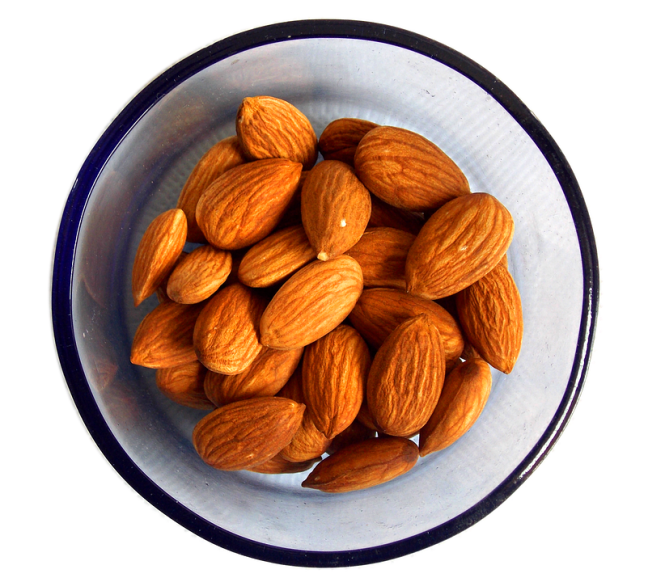
- Nuts and Seeds: Almonds, walnuts, chia seeds, and flaxseeds are all rich in healthy fats and make great snacks or additions to oatmeal, yogurt, or salads.
- Fatty Fish: Fatty fish like salmon, sardines, and mackerel are rich in omega-3 fatty acids, which support heart health and brain function.
- Full-Fat Dairy: Full-fat dairy products like cheese, yogurt, and milk contain healthy fats and protein, making them a great addition to a balanced diet.
Tips for Incorporating Healthy Fats into Your Diet
- Use a Variety of Oils: Experiment with different oils to find the ones that work best for you and your cooking style.
- Choose High-Quality Oils: Look for cold-pressed, expeller-pressed, or extra-virgin oils to ensure you’re getting the best possible quality.
- Use Healthy Fats in Moderation: While healthy fats are essential, it’s still important to consume them in moderation as part of a balanced diet.
- Get Creative with Recipes: Try new recipes that incorporate healthy fats, such as stir-fries with sesame oil, roasted vegetables with avocado oil, or baked goods with coconut oil.
Conclusion
While olive oil will always be a staple in many kitchens, there’s a world of healthy fats and oils beyond it that are worth exploring. By incorporating a variety of oils and healthy fats into your diet, you can add depth, flavor, and nutrition to your meals. Remember to choose high-quality oils, use them in moderation, and get creative with recipes to make the most of these incredible ingredients. With a little experimentation, you’ll be well on your way to a healthier, more flavorful culinary journey.