From Peas to Pistachios: Unlocking the Potential of Plant-Based Protein
The world is experiencing a seismic shift in the way we think about protein. For decades, animal-based sources such as meat, dairy, and eggs have dominated the protein landscape. However, with growing concerns about climate change, health, and sustainability, plant-based protein sources are gaining popularity at an unprecedented rate. From peas to pistachios, the options are vast and varied, offering a wealth of opportunities for consumers, manufacturers, and the environment.
The Rise of Plant-Based Protein
Plant-based protein sources have been around for centuries, but it’s only in recent years that they’ve gained mainstream attention. The reasons are multifaceted. Animal agriculture is a significant contributor to greenhouse gas emissions, deforestation, and water pollution, making plant-based alternatives an attractive solution for environmentally conscious consumers. Additionally, a growing body of research highlights the health benefits of a plant-based diet, including reduced risk of heart disease, type 2 diabetes, and certain types of cancer.
The Diversity of Plant-Based Protein Sources
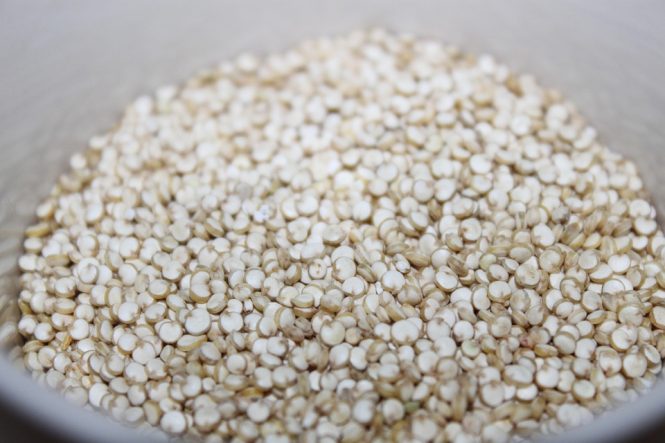
The array of plant-based protein sources is staggering. Legumes, such as lentils, chickpeas, and black beans, are rich in protein and fiber. Nuts and seeds, like almonds, chia seeds, and hemp seeds, offer a convenient and nutritious snack. Whole grains, including quinoa, brown rice, and whole wheat, provide a complete protein when consumed in combination with other plant-based foods. And then there are the newer, more innovative sources: pea protein, rice protein, and mushroom-based protein, to name a few.
Peas: The Unsung Hero of Plant-Based Protein
Peas are often overlooked as a protein source, but they’re a powerhouse of nutrition. With a protein content of around 20%, peas are an excellent alternative to traditional protein powders. Pea protein is also highly digestible, making it an ideal option for those with sensitive stomachs. Companies like Beyond Meat and Impossible Foods have already capitalized on the potential of pea protein, using it as a key ingredient in their plant-based meat alternatives.
Pistachios: The Nutty Protein Powerhouse
Pistachios are another plant-based protein source that’s gaining traction. With a protein content of around 15%, pistachios are an excellent snack for those looking to boost their protein intake. They’re also rich in healthy fats, fiber, and antioxidants, making them a nutritious addition to a balanced diet. Pistachio-based protein powders are also becoming increasingly popular, offering a delicious and sustainable alternative to traditional protein supplements.
The Future of Plant-Based Protein
As the demand for plant-based protein continues to grow, innovation is accelerating. New technologies, such as precision fermentation and cellular agriculture, are enabling the development of novel protein sources, like lab-grown meat and dairy alternatives. The rise of plant-based protein is also driving investment in sustainable agriculture, with companies like Indigo Agriculture and Plenty using cutting-edge techniques to improve crop yields and reduce environmental impact.
Conclusion
The shift towards plant-based protein is a seismic shift in the way we think about nutrition, health, and sustainability. From peas to pistachios, the options are diverse and exciting, offering a wealth of opportunities for consumers, manufacturers, and the environment. As the world continues to evolve and adapt to the challenges of climate change, plant-based protein is poised to play a starring role in the future of food. Whether you’re a health enthusiast, an environmental advocate, or simply a curious consumer, the potential of plant-based protein is undeniable – and it’s an exciting time to be a part of this revolution.