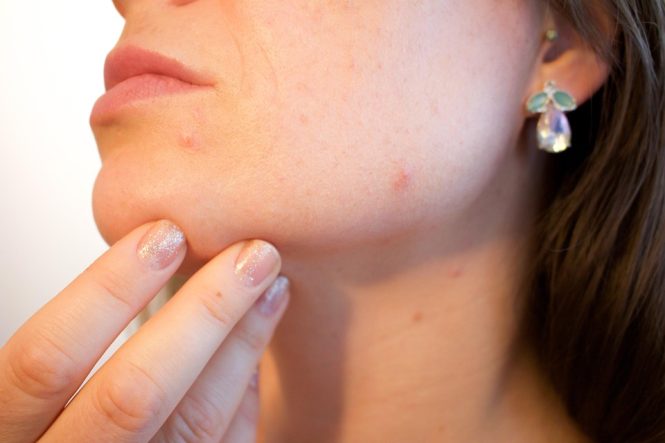
Get to the Bottom of Your Breakouts: The Hidden Causes of Acne
Acne is a common skin condition that affects millions of people worldwide, causing unsightly blemishes, inflammation, and scarring. While it’s often associated with puberty and adolescence, acne can occur at any age, leaving many of us wondering why we’re still dealing with breakouts well into adulthood. But have you ever stopped to think about the underlying causes of your acne? Beyond the usual suspects like hormones and poor skincare habits, there may be hidden factors at play that are contributing to your breakouts.
The Usual Suspects: Hormones and Skincare
Before we dive into the lesser-known causes of acne, it’s worth mentioning the more obvious culprits. Hormonal fluctuations, particularly during puberty, menstruation, pregnancy, and menopause, can lead to an increase in sebum production, clogged pores, and acne. Additionally, poor skincare habits like not washing your face regularly, using the wrong products, or picking at your skin can also exacerbate acne.
The Hidden Causes of Acne
However, there are many other factors that can contribute to acne, including:
- Gut Health: Research suggests that an imbalance of gut bacteria, also known as dysbiosis, can lead to inflammation and acne. This is because the gut and skin are closely linked, and an imbalance of gut bacteria can affect the skin’s ability to regulate inflammation and fight off infection.
- Stress: Stress can increase the production of hormones like cortisol, which can lead to inflammation and acne. Additionally, stress can cause us to engage in unhealthy behaviors like poor eating habits, lack of sleep, and excessive sugar consumption, which can further exacerbate acne.
- Diet: While the link between diet and acne is still being researched, some studies suggest that a diet high in processed foods, sugar, and dairy products can contribute to acne. This may be due to the inflammatory effects of these foods, as well as their impact on gut health.
- Environmental Toxins: Exposure to environmental toxins like pollution, pesticides, and heavy metals can lead to inflammation and oxidative stress, which can contribute to acne.
- Medications: Certain medications, such as corticosteroids, testosterone, and certain antidepressants, can cause acne as a side effect.
- Genetics: If your parents had acne, you may be more likely to experience it as well. However, this doesn’t mean that you’re doomed to a life of breakouts – there are still many things you can do to manage your acne and prevent scarring.
- Sleep Deprivation: Lack of sleep can increase stress hormones, lead to inflammation, and disrupt the body’s natural healing processes, all of which can contribute to acne.
Getting to the Bottom of Your Breakouts
So, how can you get to the bottom of your breakouts and identify the underlying causes of your acne? Here are a few steps you can take:
- Keep a Skincare Journal: Track your breakouts, including when they occur, where they occur, and any potential triggers you’ve noticed.
- Consult a Dermatologist: A dermatologist can help you identify underlying causes of your acne and recommend personalized treatments.
- Get Tested for Hormonal Imbalances: If you suspect that hormonal imbalances may be contributing to your acne, consider getting tested for conditions like polycystic ovary syndrome (PCOS) or thyroid disorders.
- Try an Elimination Diet: Remove common acne triggers like dairy, gluten, and processed foods from your diet for a few weeks to see if your skin improves.
- Practice Stress-Reducing Techniques: Engage in stress-reducing activities like meditation, yoga, or deep breathing exercises to help manage stress and reduce inflammation.
Conclusion
Acne is a complex condition with many potential causes, and getting to the bottom of your breakouts requires a holistic approach. By considering the hidden causes of acne, such as gut health, stress, diet, and environmental toxins, you can take a more comprehensive approach to managing your skin and preventing scarring. Remember, everyone’s skin is different, and what works for one person may not work for another. With patience, persistence, and the right guidance, you can uncover the underlying causes of your acne and achieve the clear, healthy skin you deserve.