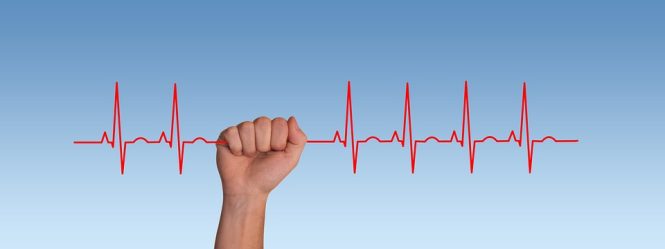
Heart Healthy Habits to Start Today: Reduce Your Risk of Heart Disease
Heart disease is one of the leading causes of death worldwide, accounting for over 17.9 million deaths per year. However, the good news is that many cases of heart disease can be prevented by adopting simple, yet effective heart-healthy habits. By making a few lifestyle changes, you can significantly reduce your risk of developing heart disease and improve your overall health. In this article, we will discuss the importance of heart health, the risk factors for heart disease, and provide you with practical tips on how to start developing heart-healthy habits today.
Why Heart Health Matters
Your heart is a vital organ that pumps blood throughout your body, supplying oxygen and nutrients to your cells. When your heart is healthy, it functions efficiently, pumping blood with ease and maintaining a healthy blood pressure. However, when your heart is not healthy, it can lead to a range of problems, including high blood pressure, heart attacks, strokes, and heart failure. By taking care of your heart, you can reduce your risk of developing these conditions and improve your overall quality of life.
Risk Factors for Heart Disease
There are several risk factors that increase your likelihood of developing heart disease. These include:
- High blood pressure
- High cholesterol
- Smoking
- Diabetes
- Obesity
- Physical inactivity
- Family history of heart disease
- Age (risk increases with age)
While some of these risk factors cannot be changed, such as family history and age, many can be managed or modified through lifestyle changes.
Heart-Healthy Habits to Start Today
The good news is that you can start developing heart-healthy habits today, regardless of your age or current health status. Here are some simple and effective ways to reduce your risk of heart disease:
- Exercise Regularly: Aim for at least 150 minutes of moderate-intensity aerobic exercise, or 75 minutes of vigorous-intensity aerobic exercise, or a combination of both, per week. You can start with short walks, jogging, cycling, or swimming, and gradually increase the intensity and duration as you become more comfortable.
- Eat a Heart-Healthy Diet: Focus on consuming a variety of fruits, vegetables, whole grains, lean proteins, and healthy fats. Aim to include foods that are rich in omega-3 fatty acids, such as fatty fish, nuts, and seeds. Limit your intake of processed and packaged foods, sugary drinks, and saturated and trans fats.
- Maintain a Healthy Weight: If you are overweight or obese, losing weight can help reduce your risk of heart disease. Aim for a healthy weight through a combination of diet and exercise.
- Don’t Smoke: Smoking is a significant risk factor for heart disease. Quitting smoking can greatly reduce your risk of developing heart disease and other health problems.
- Manage Stress: Chronic stress can increase your risk of heart disease. Engage in stress-reducing activities, such as meditation, yoga, or deep breathing exercises, to help manage stress.
- Get Enough Sleep: Aim for 7-8 hours of sleep per night to help regulate your blood pressure and reduce your risk of heart disease.
- Limit Sodium Intake: High sodium intake can increase your blood pressure, which can lead to heart disease. Aim to limit your sodium intake to less than 2,300 milligrams per day.
- Stay Hydrated: Drink plenty of water throughout the day to help keep your blood vessels healthy and flexible.
- Get Regular Check-Ups: Regular health check-ups can help identify risk factors for heart disease and allow for early intervention.
- Monitor Your Blood Pressure: High blood pressure is a significant risk factor for heart disease. Monitor your blood pressure regularly and work with your healthcare provider to manage it if it is high.
Conclusion
Developing heart-healthy habits is a simple and effective way to reduce your risk of heart disease. By incorporating the habits outlined in this article into your daily routine, you can improve your overall health and well-being. Remember, it’s never too late to start making changes, and even small steps can make a big difference. So, start today and take the first step towards a healthier, happier you. Consult with your healthcare provider before starting any new exercise or diet program, especially if you have any underlying health conditions. By working together, you can reduce your risk of heart disease and live a longer, healthier life.