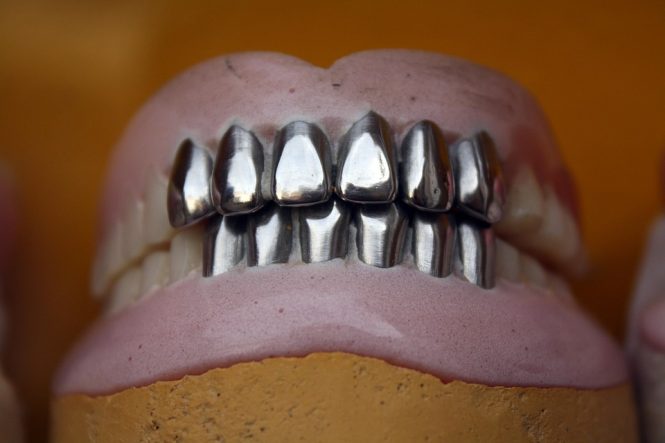
Robotic Dentistry: The Rise of Automated Dental Procedures
The field of dentistry has witnessed significant advancements in recent years, with the integration of technology playing a crucial role in improving patient care and outcomes. One of the most exciting developments in this field is the emergence of robotic dentistry, which is revolutionizing the way dental procedures are performed. In this article, we will explore the concept of robotic dentistry, its benefits, and the current state of this rapidly evolving field.
What is Robotic Dentistry?
Robotic dentistry refers to the use of robotic systems and artificial intelligence (AI) to assist dentists in performing various dental procedures. These systems use advanced algorithms, sensors, and mechanical arms to precision-craft dental restorations, such as crowns, bridges, and implants. Robotic dentistry aims to improve the accuracy, efficiency, and consistency of dental procedures, while also reducing the risk of human error.
Benefits of Robotic Dentistry
The benefits of robotic dentistry are numerous and significant. Some of the key advantages include:
- Improved Accuracy: Robotic systems can perform tasks with greater precision and accuracy than human dentists, reducing the risk of errors and complications.
- Increased Efficiency: Robotic dentistry can significantly reduce the time required to complete dental procedures, allowing dentists to see more patients and improve productivity.
- Enhanced Patient Experience: Robotic dentistry can provide a more comfortable and stress-free experience for patients, as the precision and accuracy of the robotic system can minimize the need for multiple visits and reduce the risk of complications.
- Reduced Risk of Infection: Robotic systems can minimize the risk of infection by reducing the amount of human contact and using sterile instruments.
- Cost-Effective: Robotic dentistry can help reduce costs by minimizing the need for repeat procedures and reducing the amount of materials required.
Current Applications of Robotic Dentistry
Robotic dentistry is currently being used in various areas of dentistry, including:
- Implant Dentistry: Robotic systems are being used to precision-craft dental implants, improving the accuracy and success rate of implant procedures.
- Restorative Dentistry: Robotic systems are being used to create custom dental restorations, such as crowns and bridges, with greater precision and accuracy.
- Oral Surgery: Robotic systems are being used to assist in oral surgery procedures, such as wisdom tooth extractions and bone grafting.
- Periodontal Therapy: Robotic systems are being used to treat periodontal disease, including scaling and root planing procedures.
Future Developments
The future of robotic dentistry looks promising, with ongoing research and development focused on improving the capabilities and applications of robotic systems. Some of the potential future developments include:
- Advanced AI: The integration of advanced AI algorithms will enable robotic systems to learn and adapt to individual patient needs, improving treatment outcomes and patient satisfaction.
- Minimally Invasive Procedures: Robotic systems will enable dentists to perform minimally invasive procedures, reducing recovery time and improving patient comfort.
- Personalized Dentistry: Robotic systems will enable dentists to create personalized dental restorations and implants, tailored to individual patient needs and preferences.
Conclusion
Robotic dentistry is a rapidly evolving field that is revolutionizing the way dental procedures are performed. With its many benefits, including improved accuracy, efficiency, and patient experience, robotic dentistry is poised to transform the field of dentistry. As technology continues to advance, we can expect to see even more innovative applications of robotic dentistry, improving patient care and outcomes. Whether you’re a dentist or a patient, the rise of robotic dentistry is an exciting development that promises to shape the future of dentistry.