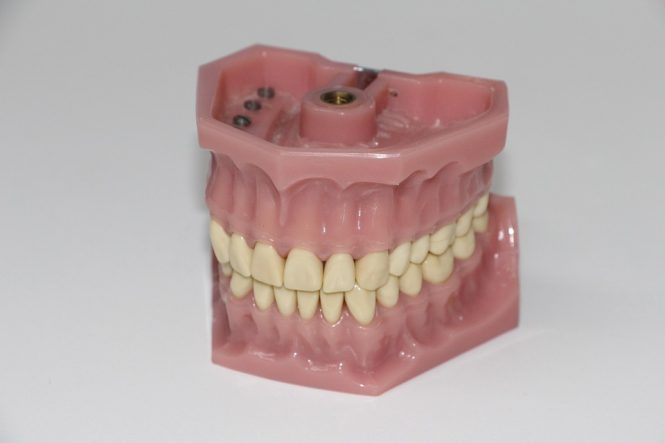
Teeth Whitening 101: A Beginner’s Guide to Getting the Smile You’ve Always Wanted
Are you tired of feeling self-conscious about your yellow or discolored teeth? Do you dream of having a bright, radiant smile that lights up the room? You’re not alone. Millions of people around the world struggle with tooth discoloration, but the good news is that there are many effective ways to achieve a whiter, brighter smile. In this article, we’ll take you through the basics of teeth whitening, including the causes of tooth discoloration, the different types of whitening treatments, and tips for maintaining your results.
What Causes Tooth Discoloration?
Tooth discoloration can be caused by a variety of factors, including:
- Food and drink: Coffee, tea, red wine, and berries can all stain your teeth over time.
- Tobacco use: Smoking and chewing tobacco can cause significant discoloration.
- Poor oral hygiene: Failing to brush and floss regularly can lead to the buildup of plaque and tartar, which can cause discoloration.
- Aging: As we age, our teeth naturally become less white and more yellow.
- Medications: Certain medications, such as tetracycline, can cause tooth discoloration.
- Genetics: Some people may be more prone to tooth discoloration due to their genetic makeup.
Types of Teeth Whitening Treatments
There are several types of teeth whitening treatments available, including:
- In-office whitening: This is a professional treatment that is performed in a dentist’s office. It typically involves applying a high-concentration whitening gel to your teeth and using a special light to activate the gel.
- At-home whitening kits: These are DIY kits that you can purchase at a pharmacy or online. They usually include a whitening gel and a mouthguard that you wear at home.
- Whitening strips: These are thin, flexible strips that are coated with a whitening gel. You apply them to your teeth and wear them for a specified amount of time.
- Whitening toothpaste: This is a special type of toothpaste that contains mild abrasives and whitening agents.
How to Choose the Right Whitening Treatment
With so many options available, it can be difficult to choose the right whitening treatment for your needs. Here are a few things to consider:
- Your budget: In-office whitening treatments can be more expensive than at-home kits or whitening strips.
- Your time: If you have a busy schedule, you may prefer an at-home kit or whitening strips that you can use in the comfort of your own home.
- Your teeth: If you have sensitive teeth or gums, you may want to opt for a gentler whitening treatment.
- Your desired results: If you want dramatic results, an in-office whitening treatment may be the best option.
Tips for Maintaining Your Results
Once you’ve achieved the smile you’ve always wanted, it’s important to maintain your results. Here are a few tips:
- Practice good oral hygiene: Brush and floss regularly to prevent the buildup of plaque and tartar.
- Avoid stain-causing foods and drinks: Try to limit your consumption of coffee, tea, and red wine.
- Use a whitening toothpaste: This can help to maintain your results and prevent future discoloration.
- Schedule regular dental cleanings: Regular cleanings can help to remove surface stains and prevent the buildup of plaque and tartar.
Conclusion
Teeth whitening is a safe and effective way to achieve a brighter, more radiant smile. By understanding the causes of tooth discoloration and the different types of whitening treatments available, you can make an informed decision about which treatment is right for you. Remember to practice good oral hygiene and maintain your results to keep your smile looking its best. With the right treatment and a little bit of maintenance, you can have the smile you’ve always wanted.