The Importance of Good Dental Hygiene: Unlocking the Connection to Overall Health and Wellbeing
Good dental hygiene is often viewed as a necessary practice for maintaining a healthy smile and preventing cavities. However, its significance extends far beyond the realm of oral health. In recent years, research has uncovered a profound link between good dental hygiene and overall health and wellbeing. In this article, we will delve into the reasons why good dental hygiene is essential for maintaining a healthy body and mind.
The Oral-Systemic Connection
The mouth is often referred to as the “gateway to the body.” The bacteria that reside in our mouths can easily enter the bloodstream and travel to other parts of the body, potentially causing harm. This oral-systemic connection has been linked to various systemic diseases, including:
- Heart Disease: Research has shown that individuals with poor dental hygiene are at a higher risk of developing heart disease, including heart attacks, strokes, and high blood pressure.
- Diabetes: Studies have found that people with diabetes are more likely to develop gum disease, and conversely, those with gum disease are more likely to develop diabetes.
- Respiratory Infections: Bacteria from the mouth can be aspirated into the lungs, leading to respiratory infections, such as pneumonia.
- Cognitive Decline: There is evidence to suggest that poor dental hygiene may be linked to an increased risk of cognitive decline and dementia.
The Importance of Good Dental Hygiene Practices
So, how can we maintain good dental hygiene and reduce the risk of these systemic diseases? Here are some essential practices to incorporate into your daily routine:
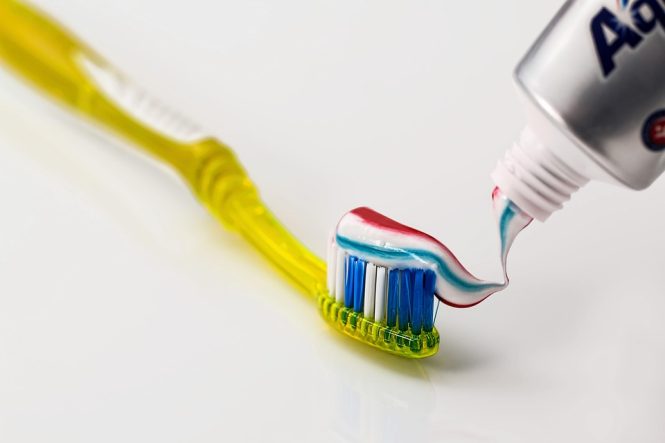
- Brushing: Brush your teeth at least twice a day with a fluoride toothpaste to remove plaque and bacteria.
- Flossing: Floss once a day to remove food particles and plaque from between your teeth and under your gumline.
- Regular Dental Check-Ups: Visit your dentist every six months for a thorough cleaning and examination.
- Healthy Diet: Eat a balanced diet that is low in sugar and acidic foods, which can contribute to tooth decay and erosion.
- Avoid Tobacco: Tobacco use is a significant risk factor for oral cancer, gum disease, and other systemic diseases.
The Psychological Benefits of Good Dental Hygiene
Good dental hygiene not only has physical benefits but also psychological ones. A healthy smile can:
- Boost Confidence: A clean and healthy smile can enhance self-esteem and confidence.
- Improve Mental Health: Research has shown that individuals with good dental hygiene are less likely to experience anxiety and depression.
- Enhance Social Interactions: A healthy smile can make social interactions more enjoyable and improve overall social wellbeing.
Conclusion
Good dental hygiene is essential for maintaining overall health and wellbeing. By practicing good oral hygiene habits, such as brushing, flossing, and regular dental check-ups, we can reduce the risk of systemic diseases and improve our psychological wellbeing. Remember, a healthy smile is not just a matter of aesthetics; it is a key component of a healthy body and mind. By prioritizing good dental hygiene, we can unlock a lifetime of overall health and wellbeing.