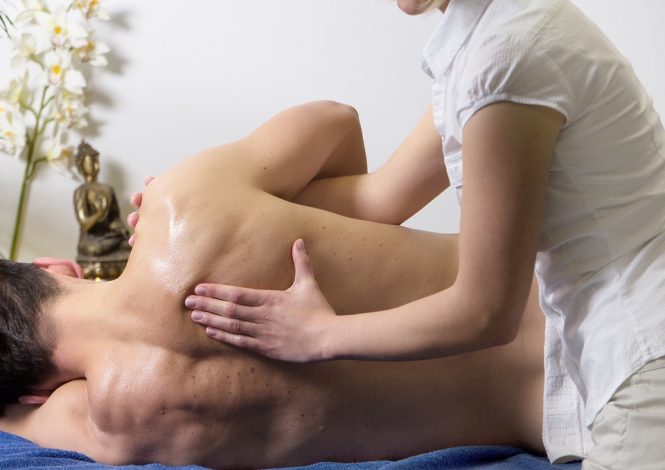
Massage Your Worries Away: The Science Behind Swedish Massage
In today’s fast-paced world, stress and anxiety have become an unfortunate norm for many of us. With the constant demands of work, family, and social life, it’s easy to feel overwhelmed and drained. However, there is a simple yet effective way to alleviate these feelings of tension and promote overall well-being: Swedish massage. This ancient technique has been used for centuries to relax the body and mind, and recent scientific studies have shed light on the fascinating mechanisms behind its therapeutic effects.
What is Swedish Massage?
Swedish massage, also known as classical massage, is a type of massage therapy that originated in Sweden in the 19th century. It involves a combination of long strokes, kneading, and tapping on the muscles to promote relaxation, ease muscle tension, and improve circulation. This gentle and soothing technique is designed to work on the superficial layers of the muscles, rather than the deeper tissues, making it accessible to people of all ages and fitness levels.
The Science Behind Swedish Massage
Research has shown that Swedish massage has a profound impact on both the physical and emotional body. Here are some of the key scientific findings:
- Reduces Stress Hormones: Studies have found that Swedish massage decreases the production of stress hormones like cortisol and adrenaline, which can contribute to anxiety and tension. By reducing these hormones, Swedish massage helps to calm the nervous system and promote relaxation.
- Increases Oxytocin: Often referred to as the “feel-good” hormone, oxytocin is released during Swedish massage, promoting feelings of trust, relaxation, and bonding. This hormone also plays a role in reducing stress and anxiety.
- Lowers Blood Pressure: Regular Swedish massage has been shown to lower blood pressure in individuals with hypertension, reducing the risk of heart disease and stroke.
- Relaxes Muscles: The long strokes and kneading techniques used in Swedish massage help to relax the muscles, reducing muscle spasms and soreness. This is especially beneficial for individuals who engage in regular physical activity or have jobs that involve repetitive movements.
- Improves Sleep: The relaxation response triggered by Swedish massage can help improve sleep quality, duration, and depth, leading to better overall health and well-being.
How Swedish Massage Works
So, how does Swedish massage achieve these remarkable effects? The answer lies in the way it interacts with the body’s physiological systems. Here are some key mechanisms:
- Stimulation of the Nervous System: Swedish massage stimulates the nervous system, which responds by releasing neurotransmitters like serotonin and dopamine. These chemicals help regulate mood, appetite, and sleep.
- Activation of the Parasympathetic Nervous System: The parasympathetic nervous system (PNS) is responsible for promoting relaxation and reducing stress. Swedish massage activates the PNS, leading to a decrease in heart rate, blood pressure, and respiration.
- Increased Blood Flow: The gentle pressure and stroking motions used in Swedish massage help increase blood flow, which delivers oxygen and nutrients to the muscles, promoting relaxation and reducing inflammation.
Conclusion
Swedish massage is a powerful tool for managing stress, anxiety, and tension. By understanding the science behind this ancient technique, we can appreciate the complex physiological mechanisms that underlie its therapeutic effects. Whether you’re looking to alleviate chronic pain, improve sleep, or simply relax and unwind, Swedish massage is an excellent choice. So why not give it a try? Book a massage session today and experience the blissful benefits of Swedish massage for yourself. As the ancient Greeks said, “A healthy body and mind are the greatest wealth of all.”