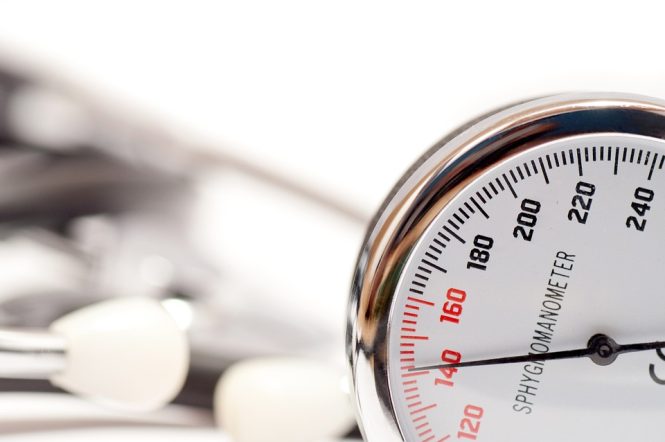
Don’t Let Stress Raise Your Blood Pressure: Coping Mechanisms That Work
Stress is an inevitable part of modern life. Whether it’s work-related, financial, or personal, stress can creep into our lives and wreak havoc on our physical and mental health. One of the most significant risks associated with chronic stress is its impact on blood pressure. When we’re under stress, our blood pressure can spike, increasing the risk of cardiovascular disease, heart attack, and stroke. In this article, we’ll explore the link between stress and blood pressure and provide effective coping mechanisms to help you manage stress and keep your blood pressure under control.
The Stress-Blood Pressure Connection
When we experience stress, our body’s “fight or flight” response is triggered, releasing stress hormones like adrenaline and cortisol. These hormones cause our heart rate and blood pressure to increase, preparing our body to respond to the perceived threat. While this response is useful in emergency situations, chronic stress can lead to persistent high blood pressure, which can damage blood vessels, kidneys, and other organs.
Signs of Stress-Related High Blood Pressure
If you’re experiencing stress-related high blood pressure, you may notice:
- Frequent headaches or migraines
- Dizziness or lightheadedness
- Fatigue or exhaustion
- Insomnia or difficulty sleeping
- Digestive problems, such as irritable bowel syndrome (IBS)
- Rapid heartbeat or palpitations
Coping Mechanisms That Work
Fortunately, there are many effective coping mechanisms that can help you manage stress and reduce your blood pressure. Here are some strategies to try:
- Deep Breathing Exercises: Deep, slow breathing can help calm the nervous system and lower blood pressure. Try inhaling for a count of four, holding your breath for a count of seven, and exhaling for a count of eight. Repeat this process several times a day.
- Physical Activity: Regular exercise can help reduce stress and lower blood pressure. Aim for at least 30 minutes of moderate-intensity physical activity, such as brisk walking, cycling, or swimming, most days of the week.
- Meditation and Mindfulness: Mindfulness practices, such as meditation and yoga, can help you stay present and focused, reducing stress and anxiety. Try incorporating a daily mindfulness practice into your routine, even if it’s just for a few minutes.
- Social Support: Connecting with friends, family, or a therapist can help you manage stress and reduce feelings of isolation. Don’t be afraid to reach out to loved ones or join a support group.
- Time Management: Poor time management can exacerbate stress levels. Prioritize tasks, set realistic goals, and take regular breaks to help manage your workload and reduce stress.
- Relaxation Techniques: Techniques like progressive muscle relaxation, visualization, and guided imagery can help calm the mind and body. Try listening to guided relaxation recordings or apps, such as Headspace or Calm.
- Healthy Sleep Habits: Getting adequate sleep is essential for managing stress and blood pressure. Aim for 7-8 hours of sleep per night and establish a consistent sleep schedule.
- Healthy Eating: A balanced diet rich in fruits, vegetables, whole grains, and lean protein can help reduce stress and lower blood pressure. Avoid sugary and processed foods, which can exacerbate stress and inflammation.
- Leisure Activities: Engage in activities you enjoy, such as reading, painting, or playing music, to help distract from stress and promote relaxation.
- Professional Help: If you’re experiencing chronic stress or high blood pressure, consider seeking help from a mental health professional or a healthcare provider. They can help you develop a personalized stress management plan and provide guidance on managing blood pressure.
Conclusion
Stress is an inevitable part of life, but it doesn’t have to raise your blood pressure. By incorporating these coping mechanisms into your daily routine, you can manage stress and reduce your risk of cardiovascular disease. Remember, taking care of your mental and physical health is essential for maintaining a healthy blood pressure and overall well-being. Don’t let stress get the best of you – take control of your health today!