From Yellow to Pearl: The Science Behind Teeth Whitening and How it Works
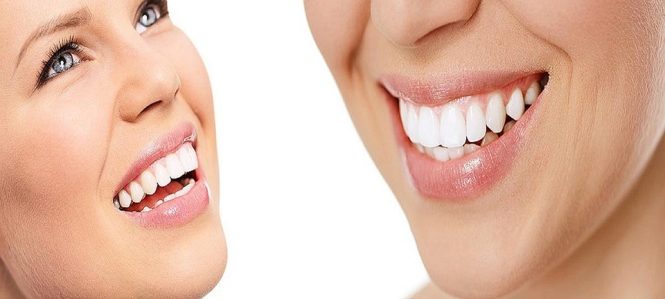
A bright, white smile can make a significant difference in a person’s confidence and overall appearance. Over time, however, our teeth can become stained and discolored due to various factors such as aging, diet, and lifestyle habits. Fortunately, teeth whitening has become a popular and effective solution to achieve a radiant, pearly white smile. But have you ever wondered how teeth whitening works and what’s behind its science? In this article, we’ll delve into the world of teeth whitening and explore the fascinating science behind this cosmetic dental treatment.
The Anatomy of Tooth Discoloration
To understand how teeth whitening works, it’s essential to comprehend the structure of our teeth and what causes discoloration. Tooth enamel, the hard outer layer of our teeth, is composed of tiny, tightly packed crystals that reflect light and give teeth their characteristic shine. However, beneath the enamel lies the dentin, a softer, more porous layer that can become stained due to various factors such as:
- Aging: As we age, the enamel wears down, revealing the yellowish dentin beneath.
- Food and drinks: Consuming stain-causing substances like coffee, tea, red wine, and berries can penetrate the enamel and discolor the dentin.
- Tobacco: Smoking and tobacco use can lead to significant tooth discoloration.
- Medications: Certain medications, such as tetracycline, can cause tooth discoloration as a side effect.
The Science of Teeth Whitening
Teeth whitening works by breaking down the stains on the surface of the teeth and penetrating the dentin to lift the discoloration. The most common method of teeth whitening involves the use of hydrogen peroxide or carbamide peroxide, which are mild bleaching agents. These agents work by:
- Oxidation: The peroxide molecules penetrate the tooth enamel and react with the chromogens (colored molecules) in the dentin, breaking them down into smaller, less colored components.
- Diffusion: The broken-down chromogens are then diffused out of the tooth, leaving the dentin and enamel lighter and more reflective.
Types of Teeth Whitening
There are several types of teeth whitening treatments available, each with its unique benefits and drawbacks:
- In-office whitening: A professional dentist applies a high-concentration bleaching agent to the teeth, typically in combination with a special light or laser to accelerate the process.
- At-home whitening kits: Over-the-counter whitening kits containing lower-concentration bleaching agents, which are applied to the teeth using trays or strips.
- Custom-fitted trays: A dentist creates a custom-fitted tray for the patient to wear at home, filled with a professional-strength bleaching agent.
The Whitening Process
The teeth whitening process typically involves the following steps:
- Initial consultation: A dentist assesses the patient’s teeth and determines the best course of treatment.
- Pre-treatment: The teeth are cleaned and prepared for whitening.
- Application: The bleaching agent is applied to the teeth, either in-office or at home.
- Treatment: The bleaching agent is left on the teeth for a specified period, usually 15-60 minutes.
- Follow-up: The patient returns for a follow-up appointment to evaluate the results and determine if additional treatments are needed.
Safety and Effectiveness
Teeth whitening is generally considered safe and effective when done under the guidance of a professional dentist. However, it’s essential to note that:
- Sensitivity: Teeth whitening can cause temporary tooth sensitivity, which usually subsides after the treatment.
- Gum irritation: The bleaching agent can irritate the gums, but this is usually mild and temporary.
- Over-whitening: Overuse of teeth whitening products can lead to an unnatural, overly white appearance.
Conclusion
Teeth whitening has become a popular and effective way to achieve a brighter, more confident smile. By understanding the science behind teeth whitening, we can appreciate the complexity and beauty of this cosmetic dental treatment. Whether you opt for in-office or at-home whitening, it’s essential to consult with a professional dentist to determine the best course of treatment for your unique needs and ensure a safe and effective outcome. With proper care and maintenance, a pearly white smile can be yours to enjoy for years to come.