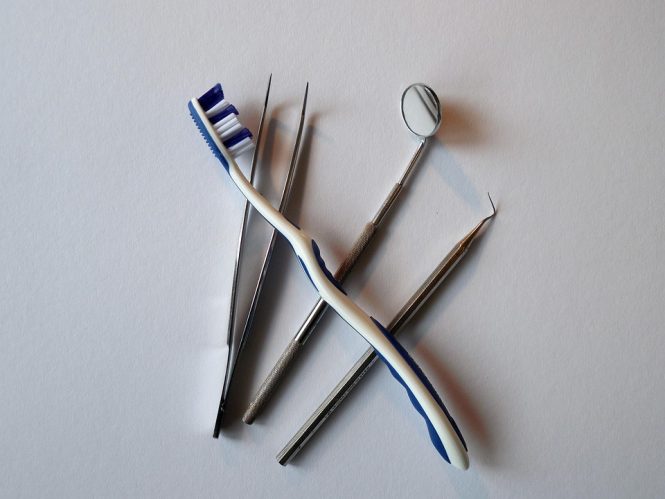
Teaching Kids Good Oral Hygiene Habits from a Young Age
As a parent, it’s essential to instill good oral hygiene habits in your children from a young age. Developing healthy habits early on can help prevent a range of oral health issues, including cavities, gum disease, and tooth loss, and set your child up for a lifetime of good oral health. In this article, we’ll explore the importance of teaching kids good oral hygiene habits and provide tips and advice on how to make it a fun and effective process.
Why is Oral Hygiene Important for Kids?
Oral hygiene is crucial for kids for several reasons:
- Prevents Cavities: Tooth decay is one of the most common chronic diseases affecting children. Brushing and flossing regularly can help prevent cavities and reduce the risk of tooth decay.
- Promotes Healthy Gums: Good oral hygiene helps to prevent gum disease, which can lead to inflammation, infection, and even tooth loss.
- Boosts Confidence: A healthy smile can boost a child’s self-confidence and self-esteem, helping them feel more comfortable in social situations.
- Sets the Stage for Lifelong Health: Teaching kids good oral hygiene habits from a young age sets the stage for a lifetime of good oral health, reducing the risk of oral health problems later in life.
When to Start Teaching Oral Hygiene Habits
The American Academy of Pediatric Dentistry recommends that children start visiting the dentist by their first birthday or within six months of the eruption of their first tooth. However, you can start teaching oral hygiene habits even earlier, as soon as your child’s first tooth appears.
Tips for Teaching Kids Good Oral Hygiene Habits
- Make it Fun: Use a favorite song or game to make brushing and flossing a fun experience.
- Use a Child-Friendly Toothbrush: Choose a toothbrush with soft bristles and a small head that is designed for your child’s age and size.
- Use a Fluoride Toothpaste: Use a fluoride toothpaste that is designed for children and has a flavor they enjoy.
- Brush for Two Minutes: Encourage your child to brush their teeth for two minutes, twice a day, using a timer or a song to help keep track of time.
- Floss Daily: Introduce flossing as soon as your child’s teeth start to touch, using a child-friendly floss or a floss pick.
- Lead by Example: Show your child that oral hygiene is important by practicing good habits yourself.
- Make it a Routine: Incorporate oral hygiene into your child’s daily routine, such as before bed or after breakfast.
- Use Visual Aids: Use pictures or videos to show your child how to brush and floss properly.
- Offer Praise and Rewards: Praise your child for their efforts and offer rewards for good oral hygiene habits, such as stickers or stars on a chart.
- Visit the Dentist Regularly: Regular dental check-ups can help reinforce good oral hygiene habits and identify any potential issues early on.
Common Challenges and Solutions
- Resistance to Brushing: Make brushing a game or use a favorite character toothbrush to make it more engaging.
- Difficulty Flossing: Use a floss pick or a child-friendly floss to make it easier and more fun.
- Fear of the Dentist: Start with small, positive experiences, such as a simple cleaning or a tour of the dentist’s office.
Conclusion
Teaching kids good oral hygiene habits from a young age is essential for their overall health and well-being. By making oral hygiene a fun and engaging experience, you can set your child up for a lifetime of good oral health. Remember to lead by example, use child-friendly products, and make it a routine part of their daily life. With patience, consistency, and positive reinforcement, your child will develop good oral hygiene habits that will last a lifetime.