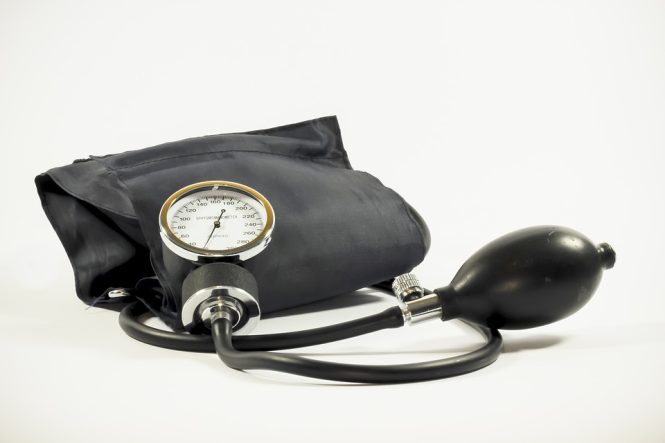
The Best Foods to Eat to Lower Your Blood Pressure
High blood pressure, also known as hypertension, is a serious health condition that affects millions of people worldwide. It can lead to heart disease, stroke, and kidney disease, making it essential to manage and control. While medication and lifestyle changes are crucial in lowering blood pressure, the food we eat also plays a significant role. In this article, we will explore the best foods to eat to help lower your blood pressure and improve overall cardiovascular health.
The Importance of Diet in Blood Pressure Management
A healthy diet is essential in managing high blood pressure. Foods that are rich in essential nutrients, fiber, and antioxidants can help to lower blood pressure, while those that are high in salt, sugar, and saturated fats can exacerbate the condition. The American Heart Association recommends a balanced diet that includes a variety of fruits, vegetables, whole grains, lean proteins, and low-fat dairy products.
Top Foods to Eat to Lower Blood Pressure
- Leafy Greens: Leafy greens such as spinach, kale, and collard greens are rich in potassium, calcium, and magnesium, which can help to lower blood pressure. These minerals help to balance out the effects of sodium in the body and promote healthy blood vessel function.
- Berries: Berries such as blueberries, strawberries, and raspberries are rich in antioxidants and fiber, which can help to lower blood pressure and improve cardiovascular health. The flavonoids present in berries have been shown to help relax blood vessels and improve blood flow.
- Fatty Fish: Fatty fish such as salmon, tuna, and mackerel are rich in omega-3 fatty acids, which can help to lower blood pressure and reduce inflammation in the body. The omega-3s present in fatty fish have been shown to help lower triglycerides and improve blood vessel function.
- Legumes: Legumes such as beans, lentils, and chickpeas are rich in potassium, fiber, and protein, making them an excellent food for lowering blood pressure. Legumes have been shown to help reduce blood pressure and improve cardiovascular health.
- Whole Grains: Whole grains such as brown rice, quinoa, and whole wheat bread are rich in fiber, potassium, and magnesium, which can help to lower blood pressure. Whole grains have been shown to help reduce the risk of heart disease and stroke.
- Nuts and Seeds: Nuts and seeds such as almonds, sunflower seeds, and pumpkin seeds are rich in healthy fats, protein, and fiber, which can help to lower blood pressure. The magnesium and potassium present in nuts and seeds can help to relax blood vessels and improve blood flow.
- Olive Oil: Olive oil is rich in healthy fats, which can help to lower blood pressure and improve cardiovascular health. The antioxidants present in olive oil have been shown to help reduce inflammation and improve blood vessel function.
- Skim Milk and Low-Fat Dairy: Skim milk and low-fat dairy products are rich in calcium, potassium, and protein, which can help to lower blood pressure. The calcium present in dairy products can help to relax blood vessels and improve blood flow.
- Avocados: Avocados are rich in healthy fats, fiber, and potassium, which can help to lower blood pressure. The potassium present in avocados can help to balance out the effects of sodium in the body.
- Pomegranates: Pomegranates are rich in antioxidants and flavonoids, which can help to lower blood pressure and improve cardiovascular health. The antioxidants present in pomegranates have been shown to help reduce inflammation and improve blood vessel function.
Foods to Avoid
While incorporating the above foods into your diet can help to lower blood pressure, there are also foods that should be avoided. These include:
- Processed Meats: Processed meats such as hot dogs, sausages, and bacon are high in sodium and saturated fats, which can exacerbate high blood pressure.
- Sugary Drinks: Sugary drinks such as soda and sports drinks are high in sugar and calories, which can lead to weight gain and increased blood pressure.
- Refined Carbohydrates: Refined carbohydrates such as white bread, sugary snacks, and baked goods can cause a spike in blood sugar and insulin resistance, leading to increased blood pressure.
- High-Sodium Foods: Foods high in sodium such as canned soups, frozen meals, and processed snacks can exacerbate high blood pressure.
Conclusion
Incorporating the best foods to eat to lower blood pressure into your diet can help to manage and control high blood pressure. A balanced diet that includes a variety of fruits, vegetables, whole grains, lean proteins, and low-fat dairy products can help to lower blood pressure and improve overall cardiovascular health. By avoiding processed and high-sodium foods and incorporating the top foods listed above, you can take the first step towards managing your blood pressure and reducing your risk of heart disease and stroke. Consult with your healthcare provider or a registered dietitian to develop a personalized diet plan that meets your specific needs and health goals.