The Best High-Protein Foods for a Healthy Diet
Protein is an essential nutrient that plays a crucial role in maintaining a healthy body. It helps to build and repair tissues, produces enzymes and hormones, and supports immune function. A high-protein diet can also help with weight loss, improve bone density, and reduce the risk of chronic diseases such as heart disease and type 2 diabetes. In this article, we will explore the best high-protein foods that can be included in a healthy diet.
Why is Protein Important?
Protein is made up of amino acids, which are the building blocks of the body. There are 20 different amino acids that the body needs to function properly, and nine of these are considered essential, meaning that they must be obtained through the diet. Protein is found in every cell of the body, and it is necessary for:
- Building and repairing muscles, bones, and tissues
- Producing enzymes, hormones, and other biomolecules
- Maintaining healthy skin, hair, and nails
- Supporting immune function and overall health
The Best High-Protein Foods
Here are some of the best high-protein foods that can be included in a healthy diet:
- Lean Meats: Chicken breast, turkey breast, lean beef, and pork tenderloin are all excellent sources of protein. A 3-ounce serving of chicken breast contains about 26 grams of protein.
- Fish and Seafood: Fatty fish like salmon, tuna, and mackerel are not only high in protein but also rich in omega-3 fatty acids. A 3-ounce serving of salmon contains about 20 grams of protein.
- Eggs: Eggs are a great source of protein and are rich in essential vitamins and minerals. A large egg contains about 6 grams of protein.
- Dairy Products: Milk, cheese, and yogurt are all high in protein and rich in calcium, which is essential for bone health. A cup of milk contains about 8 grams of protein.
- Legumes: Legumes such as beans, lentils, and peas are high in protein and fiber, making them an excellent addition to a healthy diet. A cup of cooked lentils contains about 18 grams of protein.
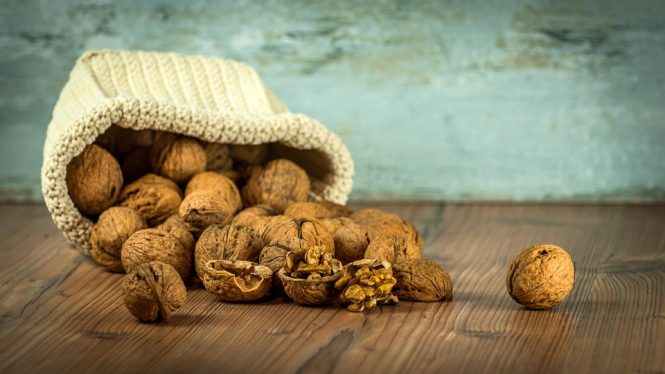
- Nuts and Seeds: Almonds, chia seeds, and hemp seeds are all high in protein and healthy fats. A 1/4 cup of almonds contains about 8 grams of protein.
- Tofu and Tempeh: These plant-based protein sources are made from soybeans and are high in protein and isoflavones, which may help to reduce the risk of certain diseases. A 3-ounce serving of tofu contains about 9 grams of protein.
- Quinoa: This grain is a complete protein, meaning that it contains all nine essential amino acids. A cup of cooked quinoa contains about 8 grams of protein.
- Greek Yogurt: Greek yogurt is high in protein and low in sugar, making it an excellent addition to a healthy diet. A cup of Greek yogurt contains about 20 grams of protein.
- Cottage Cheese: Cottage cheese is a great source of protein and is rich in casein, a slow-digesting protein that can help to promote muscle growth and repair. A cup of cottage cheese contains about 28 grams of protein.
Tips for Incorporating High-Protein Foods into Your Diet
- Eat a variety of protein sources: Include a mix of animal and plant-based protein sources in your diet to ensure that you are getting all the essential amino acids.
- Aim for 0.8-1 gram of protein per pound of body weight: This is the recommended daily intake of protein for healthy adults.
- Incorporate protein into every meal: Try to include a source of protein in every meal to help keep you full and support muscle growth and repair.
- Choose lean protein sources: Opt for lean protein sources such as chicken breast, fish, and legumes to reduce your intake of saturated fat and cholesterol.
- Consult with a healthcare professional: If you have specific dietary needs or restrictions, consult with a healthcare professional or registered dietitian to determine the best high-protein foods for your individual needs.
Conclusion
Incorporating high-protein foods into your diet can have numerous health benefits, from supporting muscle growth and repair to reducing the risk of chronic diseases. By including a variety of protein sources in your diet and aiming for the recommended daily intake, you can support overall health and well-being. Remember to choose lean protein sources and consult with a healthcare professional if you have specific dietary needs or restrictions.