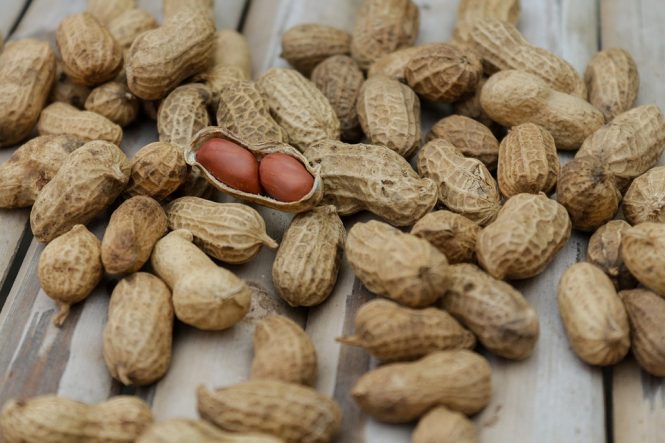
The Protein Paradox: Separating Fact from Fiction
Protein is an essential nutrient that plays a crucial role in maintaining overall health and wellbeing. However, in recent years, a paradox has emerged surrounding protein intake, with conflicting opinions on its benefits and drawbacks. On one hand, high-protein diets have been touted as a key to weight loss, muscle growth, and improved overall health. On the other hand, some experts warn that excessive protein consumption can lead to negative health consequences, such as kidney damage, bone loss, and increased cancer risk. In this article, we will delve into the protein paradox, separating fact from fiction and exploring the science behind this nutrient.
The Benefits of Protein
Protein is a vital nutrient that provides the building blocks for growth, repair, and maintenance of body tissues. It is composed of amino acids, which are essential for various bodily functions, such as enzyme production, hormone regulation, and immune function. Adequate protein intake is necessary for:
- Muscle growth and repair: Protein is essential for building and repairing muscle tissue, making it a crucial nutrient for athletes and individuals who engage in regular physical activity.
- Weight loss: High-protein diets have been shown to aid in weight loss, as protein takes more energy to digest than carbohydrates or fat, leading to increased satiety and reduced calorie intake.
- Bone health: Protein is necessary for maintaining strong bones, as it helps to regulate calcium metabolism and promote bone density.
The Risks of Excessive Protein Intake
While protein is essential for overall health, excessive intake can lead to negative health consequences. Some of the risks associated with high-protein diets include:
- Kidney damage: Excessive protein intake can put a strain on the kidneys, which can lead to kidney damage and disease in individuals with pre-existing kidney problems.
- Bone loss: High-protein diets can lead to an increased excretion of calcium in the urine, which can contribute to bone loss and osteoporosis over time.
- Increased cancer risk: Some studies have suggested that high-protein diets may increase the risk of certain cancers, such as colorectal and prostate cancer, although more research is needed to confirm this association.
The Recommended Daily Intake
So, how much protein is too much? The recommended daily intake of protein varies based on factors such as age, sex, weight, and activity level. Generally, the recommended daily intake is:
- 0.8 grams of protein per kilogram of body weight for sedentary adults
- 1.2-1.6 grams of protein per kilogram of body weight for active adults
- 1.6-2.2 grams of protein per kilogram of body weight for athletes or individuals who engage in regular high-intensity exercise
Separating Fact from Fiction
While some experts warn about the dangers of excessive protein intake, others claim that high-protein diets are essential for optimal health. So, what’s the truth? The key is to find a balance between adequate protein intake and overall nutritional needs.
- Myth: High-protein diets are necessary for weight loss. While protein can aid in weight loss, it is not the only factor. A balanced diet that includes whole foods, fruits, vegetables, and whole grains is essential for sustainable weight loss.
- Myth: Excessive protein intake is harmless. While protein is essential, excessive intake can lead to negative health consequences, such as kidney damage and bone loss.
- Fact: Protein is essential for overall health. Adequate protein intake is necessary for maintaining strong muscles, bones, and overall health.
Conclusion
The protein paradox is a complex issue that requires a nuanced understanding of the benefits and risks associated with protein intake. While high-protein diets can be beneficial for certain individuals, such as athletes or those who engage in regular physical activity, excessive intake can lead to negative health consequences. By understanding the recommended daily intake and finding a balance between protein and overall nutritional needs, individuals can reap the benefits of protein while minimizing the risks. Ultimately, a balanced diet that includes a variety of whole foods, fruits, vegetables, and whole grains is essential for maintaining optimal health and wellbeing.