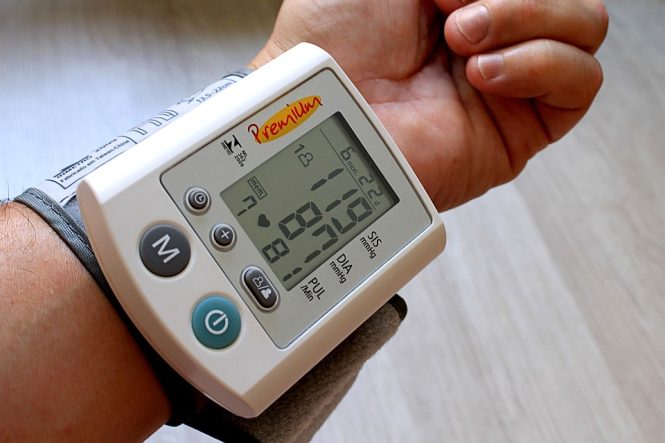
The Blood Pressure Epidemic: How to Protect Yourself
High blood pressure, also known as hypertension, has become a growing concern worldwide. According to the World Health Organization (WHO), approximately 1.13 billion people globally suffer from high blood pressure, making it one of the leading causes of death and disability. In the United States alone, over 108 million adults have high blood pressure, with many more at risk of developing it. The alarming rise of this condition has led to a blood pressure epidemic, and it’s essential to understand the risks and take proactive steps to protect yourself.
What is High Blood Pressure?
High blood pressure occurs when the force of blood against the walls of the arteries is consistently too high. This can lead to damage to the blood vessels, heart, and kidneys, increasing the risk of heart disease, stroke, and kidney disease. Blood pressure is measured in millimeters of mercury (mmHg) and is expressed as two numbers: systolic (the top number) and diastolic (the bottom number). A normal blood pressure reading is typically around 120/80 mmHg.
Causes and Risk Factors
While the exact cause of high blood pressure is often unknown, several factors can increase your risk:
- Family history: If your parents or grandparents had high blood pressure, you’re more likely to develop it.
- Age: Blood pressure tends to rise with age.
- Obesity: Excess weight puts extra strain on the heart and blood vessels.
- Sedentary lifestyle: Lack of physical activity can contribute to high blood pressure.
- Smoking: Smoking damages blood vessels and increases blood pressure.
- Poor diet: Consuming high amounts of sodium, sugar, and saturated fats can raise blood pressure.
- Stress: Chronic stress can lead to elevated blood pressure.
- Certain medical conditions: Kidney disease, sleep apnea, and thyroid disorders can increase blood pressure.
Symptoms and Complications
High blood pressure often has no noticeable symptoms, which is why it’s essential to get regular check-ups. If left untreated, high blood pressure can lead to:
- Heart disease: High blood pressure can cause the heart to work harder, leading to heart failure or heart attack.
- Stroke: High blood pressure can cause blood vessels in the brain to burst or become blocked, leading to stroke.
- Kidney disease: High blood pressure can damage the kidneys and lead to kidney failure.
- Vision problems: High blood pressure can cause blood vessels in the eyes to burst, leading to vision loss.
Protecting Yourself
The good news is that high blood pressure can be managed and prevented with lifestyle changes and, if necessary, medication. Here are some ways to protect yourself:
- Get regular check-ups: Schedule regular blood pressure checks with your healthcare provider.
- Exercise regularly: Engage in moderate-intensity physical activity, such as brisk walking, for at least 30 minutes a day.
- Eat a balanced diet: Focus on whole, unprocessed foods, such as fruits, vegetables, whole grains, lean proteins, and low-fat dairy.
- Reduce sodium intake: Limit sodium to less than 2,300 milligrams per day.
- Manage stress: Practice stress-reducing techniques, such as meditation, yoga, or deep breathing exercises.
- Maintain a healthy weight: Aim for a body mass index (BMI) between 18.5 and 24.9.
- Quit smoking: If you smoke, quit to reduce your risk of high blood pressure and other health problems.
- Limit alcohol consumption: Drink in moderation, defined as up to one drink per day for women and up to two drinks per day for men.
Conclusion
The blood pressure epidemic is a growing concern, but by understanding the risks and taking proactive steps, you can protect yourself and your loved ones. Regular check-ups, a healthy lifestyle, and, if necessary, medication can help manage and prevent high blood pressure. Don’t wait until it’s too late – take control of your blood pressure today and reduce your risk of developing this potentially deadly condition. Consult with your healthcare provider to develop a personalized plan to manage your blood pressure and maintain optimal health.