The Science of Baking: How Carbs Affect Your Favorite Treats
Baking is an art that requires precision, patience, and a deep understanding of the chemical reactions that occur when ingredients come together. At the heart of every baked good is a complex interplay of carbohydrates, proteins, and fats, which work together to create the texture, flavor, and structure of our favorite treats. In this article, we’ll delve into the science of baking and explore the crucial role that carbohydrates play in determining the outcome of our baked creations.
What are Carbohydrates?
Carbohydrates are a type of macromolecule composed of carbon, hydrogen, and oxygen atoms. They are the primary source of energy for the human body and are found in a wide range of foods, including grains, fruits, vegetables, and dairy products. In the context of baking, carbohydrates are the main component of flour, sugar, and other sweeteners, and play a critical role in determining the texture, structure, and flavor of baked goods.
Types of Carbohydrates in Baking
There are several types of carbohydrates that are commonly used in baking, each with its own unique properties and functions:
- Starches: Starches are complex carbohydrates found in grains, such as wheat, corn, and rice. They are composed of long chains of glucose molecules and are responsible for the structure and texture of baked goods, such as bread, cakes, and cookies.
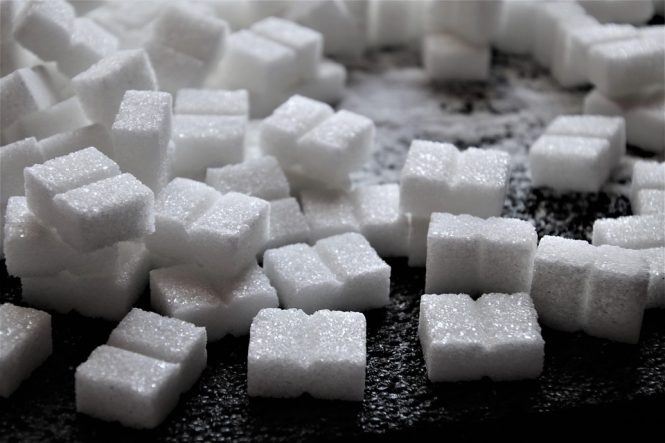
- Sugars: Sugars are simple carbohydrates that provide sweetness and browning to baked goods. They can be found in various forms, including sucrose (table sugar), glucose, and fructose.
- Fiber: Fiber is a type of carbohydrate that is not easily broken down by the body. It is found in whole grains, fruits, and vegetables, and can add texture and nutrition to baked goods.
How Carbohydrates Affect Baked Goods
Carbohydrates play a crucial role in determining the texture, structure, and flavor of baked goods. Here are some ways in which carbohydrates affect the baking process:
- Gelatinization: When starches are heated, they undergo a process called gelatinization, in which the starch molecules absorb water and swell, creating a gel-like texture. This process is essential for creating the structure and texture of baked goods, such as bread and cakes.
- Browning: Sugars can caramelize and brown when heated, creating a rich, golden color and flavor. This process is known as the Maillard reaction, and is responsible for the characteristic flavor and color of baked goods, such as cookies and pastries.
- Texture: The type and amount of carbohydrates used in a recipe can affect the texture of the final product. For example, using too much sugar can result in a dense, chewy texture, while using too much starch can result in a dry, crumbly texture.
- Leavening: Carbohydrates can also affect the leavening process, which is the process by which baked goods rise. Yeast, a type of microorganism, feeds on sugars and produces carbon dioxide gas, causing the dough to rise.
Tips for Working with Carbohydrates in Baking
To get the best results from your baked goods, it’s essential to understand how to work with carbohydrates. Here are some tips:
- Use the right type of flour: Different types of flour have different protein and starch contents, which can affect the texture and structure of your baked goods. For example, bread flour has a higher protein content than cake flour, making it better suited for bread and pizza dough.
- Measure ingredients accurately: Measuring ingredients accurately is crucial in baking, as small variations in the amount of carbohydrates can affect the final product.
- Don’t overmix: Overmixing can cause the starches in the dough to break down, resulting in a dense, tough texture.
- Experiment with different sweeteners: Different sweeteners, such as honey and maple syrup, have different flavor profiles and can affect the texture and structure of your baked goods.
Conclusion
In conclusion, carbohydrates play a vital role in the science of baking, affecting the texture, structure, and flavor of our favorite treats. By understanding the different types of carbohydrates and how they interact with other ingredients, bakers can create a wide range of delicious and complex baked goods. Whether you’re a seasoned baker or just starting out, experimenting with different carbohydrates and techniques can help you take your baking to the next level. So next time you’re in the kitchen, remember the science behind the sweetness, and get ready to rise to the occasion!