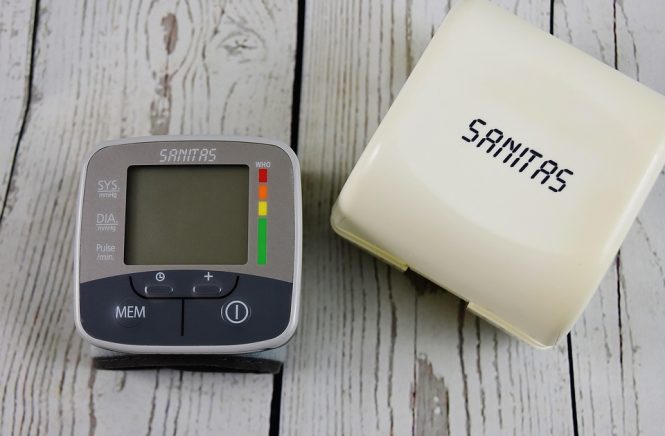
Get a Grip on Your Blood Pressure: Tips for a Healthier You
High blood pressure, also known as hypertension, is a silent killer that affects millions of people worldwide. It is a major risk factor for heart disease, stroke, and kidney disease, making it essential to take control of your blood pressure to maintain a healthy lifestyle. In this article, we will provide you with valuable tips and strategies to help you get a grip on your blood pressure and improve your overall well-being.
Understanding Blood Pressure
Before we dive into the tips, it’s essential to understand what blood pressure is and how it works. Blood pressure is the force of blood against the walls of your arteries as it circulates throughout your body. It is measured in millimeters of mercury (mmHg) and is expressed as two numbers: systolic pressure (the top number) and diastolic pressure (the bottom number). A normal blood pressure reading is typically around 120/80 mmHg.
Causes of High Blood Pressure
High blood pressure can be caused by a combination of factors, including:
- Genetics
- Age
- Obesity
- Physical inactivity
- Smoking
- Excessive alcohol consumption
- High sodium intake
- Stress
- Certain medical conditions, such as kidney disease or sleep apnea
Tips to Lower Your Blood Pressure
Fortunately, there are many ways to lower your blood pressure and reduce your risk of developing hypertension-related complications. Here are some effective tips to get you started:
- Exercise regularly: Regular physical activity can help lower your blood pressure by strengthening your heart and improving circulation. Aim for at least 30 minutes of moderate-intensity exercise, such as brisk walking, cycling, or swimming, most days of the week.
- Maintain a healthy weight: If you are overweight or obese, losing weight can help lower your blood pressure. Aim for a body mass index (BMI) between 18.5 and 24.9.
- Follow a healthy diet: Eat a balanced diet that is low in sodium, saturated fat, and cholesterol. Focus on whole, unprocessed foods, such as fruits, vegetables, whole grains, lean proteins, and low-fat dairy products.
- Reduce sodium intake: Limit your sodium intake to less than 2,300 milligrams per day. Choose low-sodium options, and season your food with herbs and spices instead of salt.
- Get enough potassium: Potassium can help lower blood pressure by balancing out the effects of sodium. Include potassium-rich foods, such as bananas, leafy greens, and sweet potatoes, in your diet.
- Manage stress: Chronic stress can raise your blood pressure. Engage in stress-reducing activities, such as meditation, yoga, or deep breathing exercises.
- Get enough sleep: Aim for 7-8 hours of sleep per night to help regulate your blood pressure.
- Monitor your blood pressure: Regularly check your blood pressure at home or at your doctor’s office to track any changes and make adjustments to your lifestyle as needed.
- Limit alcohol consumption: Excessive alcohol consumption can raise your blood pressure. Limit your intake to no more than one drink per day for women and two drinks per day for men.
- Consider supplements: Certain supplements, such as omega-3 fatty acids, coenzyme Q10, and potassium, may help lower blood pressure. Consult with your doctor before adding any supplements to your regimen.
Additional Tips for a Healthier You
In addition to managing your blood pressure, here are some additional tips to promote overall health and well-being:
- Stay hydrated: Drink plenty of water throughout the day to help regulate your blood pressure and overall health.
- Get enough vitamin D: Vitamin D deficiency has been linked to high blood pressure. Spend time outdoors, take vitamin D supplements, or eat vitamin D-rich foods, such as fatty fish, egg yolks, and fortified dairy products.
- Manage chronic conditions: If you have a chronic condition, such as diabetes or kidney disease, work with your doctor to manage it effectively and reduce your risk of complications.
Conclusion
High blood pressure is a serious health concern, but it can be managed and controlled with the right lifestyle changes. By following the tips outlined in this article, you can take the first step towards a healthier you. Remember to consult with your doctor before making any significant changes to your lifestyle, and work together to develop a personalized plan to manage your blood pressure and promote overall health and well-being. Take control of your blood pressure today and start living a healthier, happier life!